Oracle Bets Big on AMD: AI Training Revolution with MI355X GPUs

Oracle partners with AMD to deploy up to 131,072 Instinct MI355X GPUs in its OCI, enhancing AI performance and challenging Nvidia's dominance.

Your blog category
Oracle partners with AMD to deploy up to 131,072 Instinct MI355X GPUs in its OCI, enhancing AI performance and challenging Nvidia's dominance.

Taiwan's robotics sector is experiencing a significant boom, driven by global demand for smart manufacturing and AI-powered automation. The trend is supported by strong domestic investment and labor shortages, with advancements in AI enhancing operational efficiency.
China’s imports of Japanese semiconductor equipment and chips have continued to decline into late 2025, marking a milestone in its push for self-reliance as domestic firms like NAURA and AMEC gain market share. Industry experts see this trend reshaping East Asia’s chip landscape.
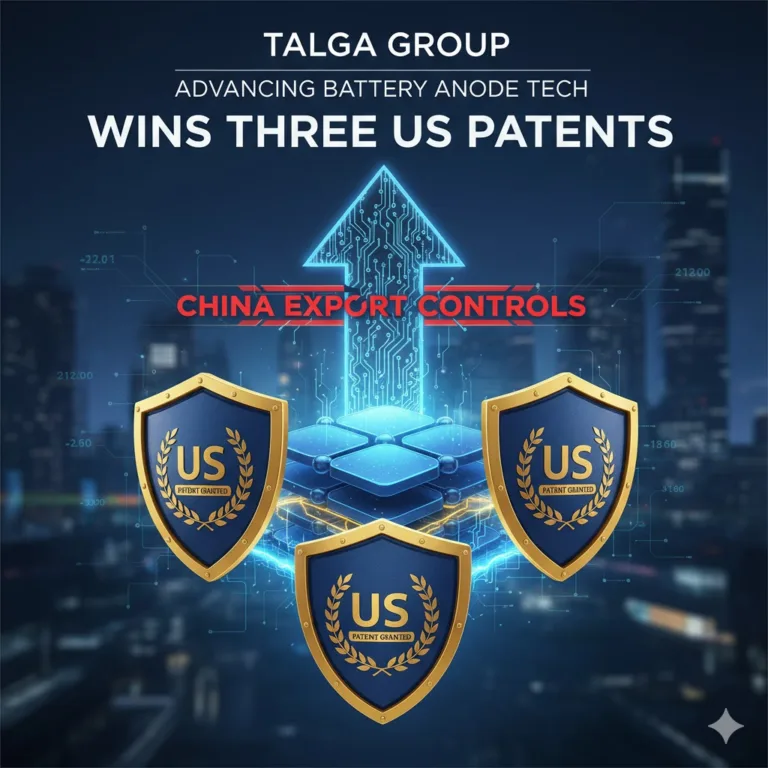
Talga Group secures three new US patents for graphite battery technologies, strengthening Western supply chains as China tightens export controls.

Despite Hyderabad’s GCC surge, no official T-Mobile launch yet—though WireUnwired has spotted TMUS job postings for Hyderabad as of Oct 14, 2025.
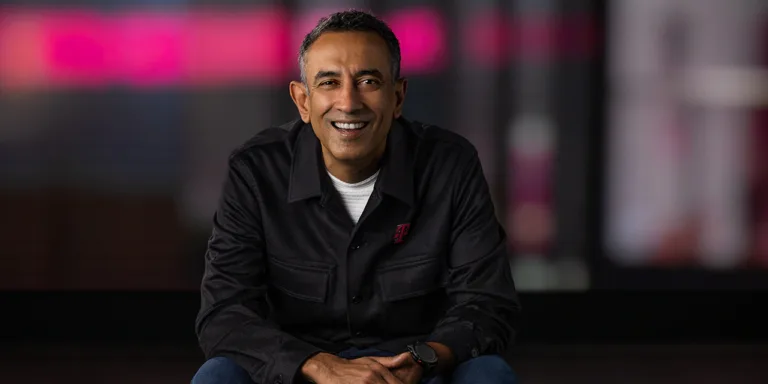
Srini Gopalan, an Indian-American telecom veteran, has been named CEO of T-Mobile, effective November 1, 2025, amid debate over a new $100,000 H-1B visa fee.
China’s 8-inch foundry utilization has reached full capacity amid surging domestic demand, driving price hikes and expansion plans as global supply chains realign.

Key Insights The OCP Global Summit 2025 kicked off in San Jose, showcasing open hardware/software innovations in semiconductors. DVCon Europe 2025 prepares to spotlight new design and verification techniques in Munich next week. SEMICON West 2025’s aftermath drives ongoing industry…
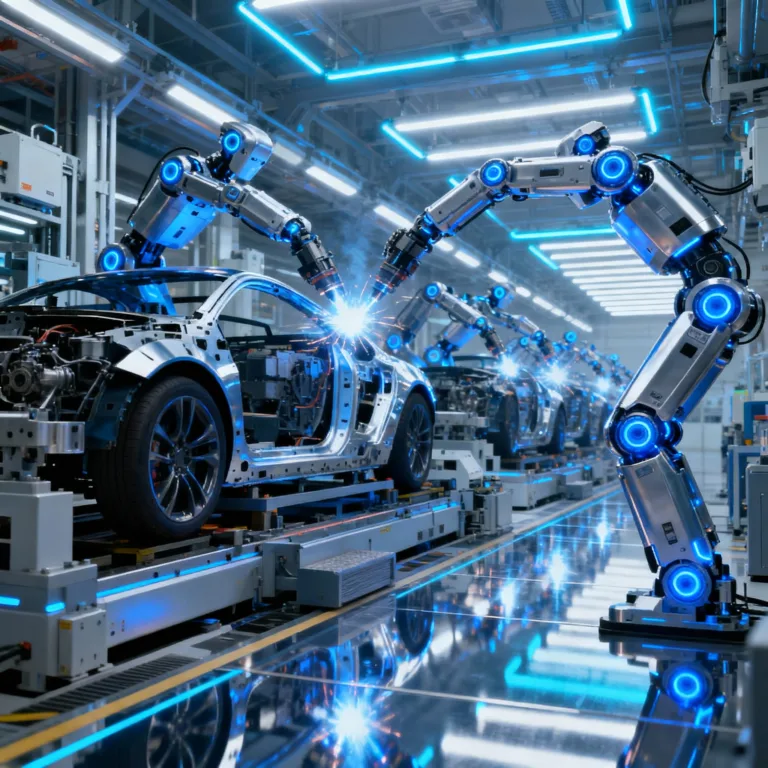
Humanoid robots are rapidly transforming Korean manufacturing as major companies and the government invest over $700 million in domestic innovation. Boston Dynamics, Tesla, and BMW are scaling up robot integration in US and Korean factories, with the global market projected to reach $5 trillion by 2050.

India’s largest pilots association has urged regulators to ground all Boeing 787 aircraft following an emergency incident, intensifying calls for safety inspections and public scrutiny over Boeing’s record in India.
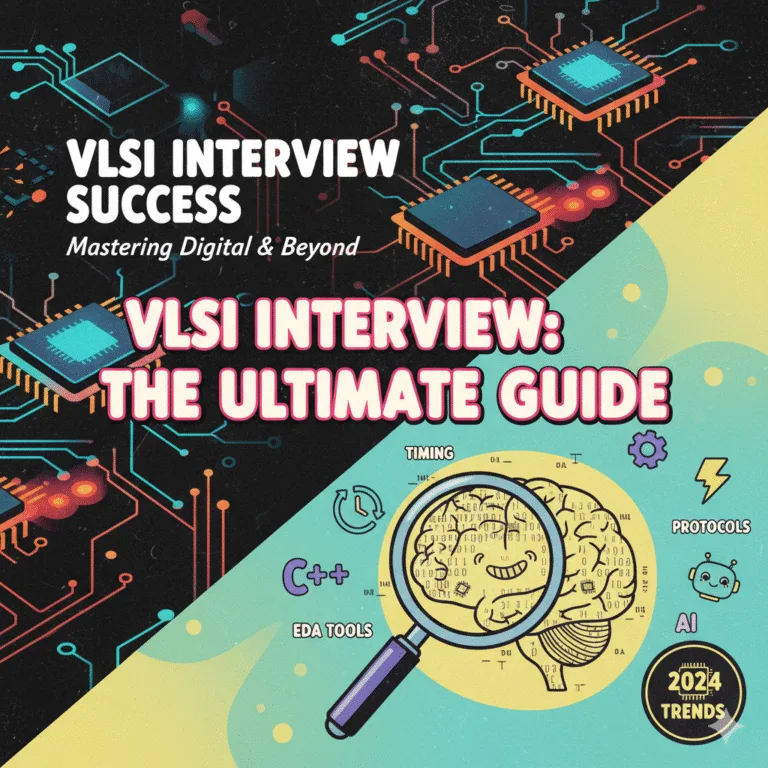
VLSI interviews are more competitive than ever. Master these six essential topics—digital design, RTL, verification, protocols, STA, and tool flow—to stand out in 2025's booming chip industry.
Japan’s leading chemical companies are pivoting from petrochemicals to semiconductor materials, fueled by surging demand for advanced chips in AI and tech. Major firms are investing in new research labs and forming tech partnerships to accelerate innovation, backed by significant government funding. While optimism surrounds job creation and supply chain resilience, challenges remain in global competition and the pace of industry transformation.
TSMC’s Kaohsiung Fab 22 has completed 2nm wafer trial production ahead of schedule, with mass output set for late 2025. The site’s expansion, including a possible A14 process, positions southern Taiwan as a global semiconductor leader.
Storm-1175 is exploiting a critical GoAnywhere MFT flaw to deploy Medusa ransomware, leaving over 500 systems exposed and prompting urgent patching calls.
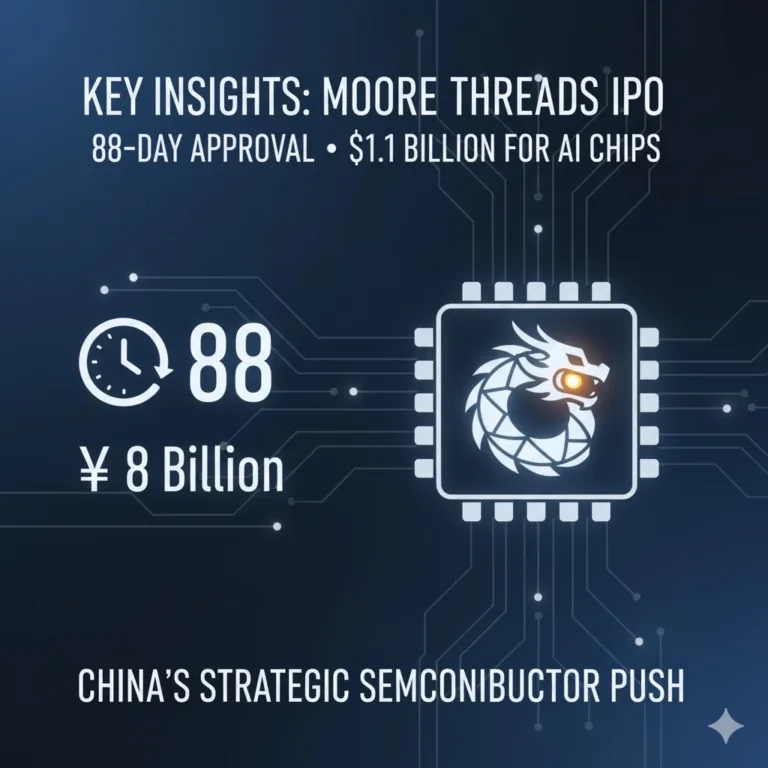
Moore Threads Technology secured IPO approval on Shanghai's STAR Market in record time, planning to raise $1.1 billion to accelerate China's domestic GPU industry amid U.S. tech restrictions.
Zhejiang Jingsheng Mechanical & Electrical’s launch of the world’s first fully localized 12-inch SiC production line marks a major milestone in China’s semiconductor self-sufficiency push, promising higher chip yields, lower costs, and intensified global competition.

CISA has issued an emergency directive requiring U.S. federal agencies to address a new Microsoft Exchange hybrid vulnerability by August 11, highlighting urgent risks and industry-wide calls for rapid action.
Intel’s Panther Lake is the world’s first AI PC chip built on the advanced 18A process, now in production at Arizona’s Fab 52—a major milestone for U.S. semiconductor leadership and AI innovation.

Shoucheng Holdings opens its Robot Experience Store in Chengdu, bringing over 200 advanced robotics products to the city's core business district and launching a national push for consumer robotics adoption.
A bipartisan House investigation reveals Chinese firms purchased nearly $40 billion in advanced chipmaking equipment in 2023 despite U.S. export controls, exploiting regulatory gaps between allied nations and undermining Western technological restrictions.