
The U.S. National Highway Traffic Safety Administration (NHTSA) has opened a formal investigation into Comma.ai’s aftermarket driver‑assistance systems following multiple crashes that left three people dead and 11 injured. Regulators are examining whether the company’s devices failed to detect stopped or slow‑moving vehicles, a recurring weakness across advanced driver‑assistance technologies.
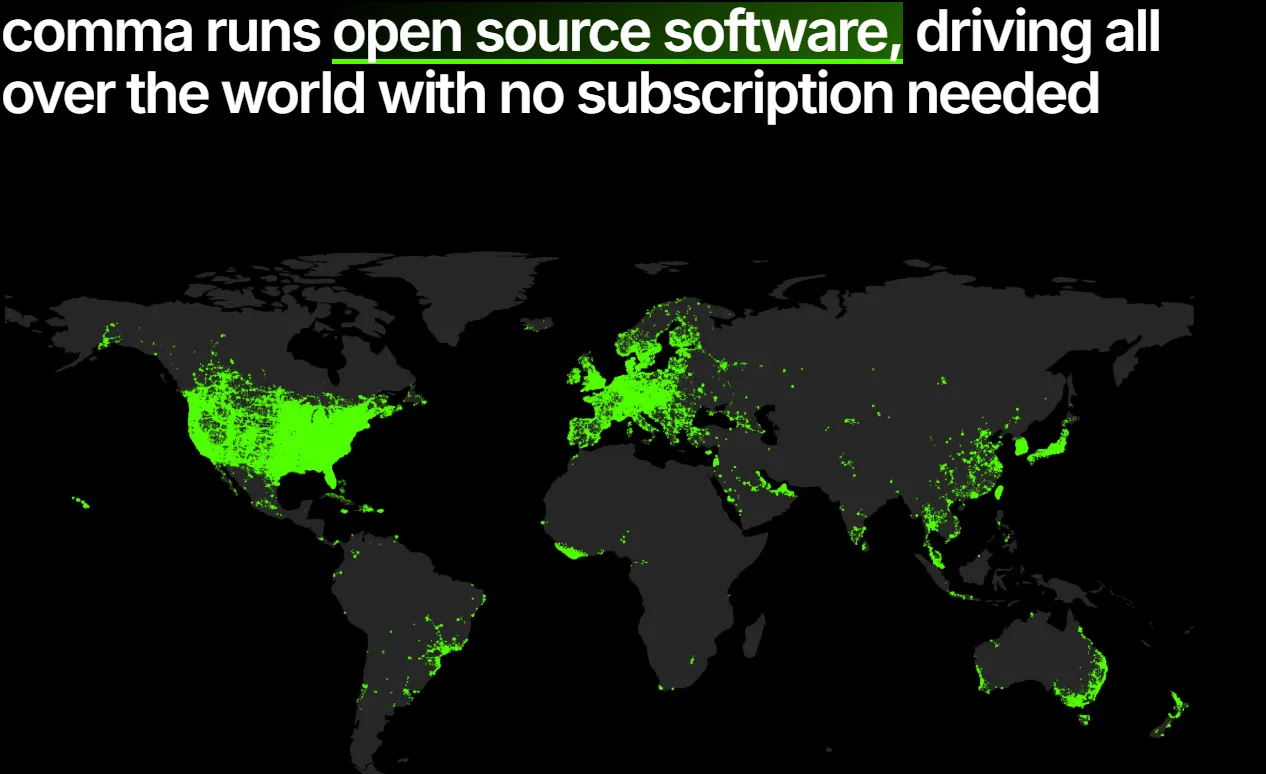
The probe, launched on September 21 under Preliminary Evaluation PE26007, covers an estimated 30,000 vehicles equipped with Comma.ai’s hardware and its open‑source OpenPilot software. NHTSA confirmed that in several incidents, the systems were engaged at the time of collision. The crashes involved vehicles striking stationary or slow cars in the same lane, raising questions about the reliability of Comma.ai’s detection algorithms.
Comma.ai markets its devices as “hands‑free driving for the car you already have,” with installation guides promising setup in minutes. While the company insists drivers must remain alert and ready to take control, regulators are concerned that consumers may over‑rely on the technology. The aftermarket nature of the devices, combined with open‑source forks of OpenPilot, complicates accountability and safety oversight.
This is not the first time Comma.ai has faced scrutiny. In 2016, NHTSA demanded safety proof for its early self‑driving kit, and the California DMV issued a cease‑and‑desist order. The current investigation echoes probes into Tesla’s Autopilot and Ford’s BlueCruise, both criticized for failing to recognize stationary vehicles.
For context, see FBI Arrests OpenAI Engineer Accused of Hiding Recording….
For context, see IMSA Reports Significant Growth in Domestic and International….
For context, see Fridge hack costing millions and sparking fires stemmed….
Discover more from WireUnwired Research
Subscribe to get the latest posts sent to your email.