
WireUnWired Research / Field notes for the future
Look beyond the headline.
Understand the system.
Independent deep-tech analysis on AI infrastructure, semiconductor design, and applied engineering. We connect the news to the mechanisms, trade-offs, and economics that actually matter.
Featured analysis
Questions worth going deeper on.
Our longer reads look beneath the launch announcements and hot takes to find the incentives, engineering constraints, and second-order effects.

The Software Moat Is Cracking
AI is lowering the cost of recreating sophisticated software. The deeper question is what becomes hard to replace when building the software itself gets cheaper.
Read the analysisFrom the archive
Ideas across the stack.
A selection of research spanning chips, connected hardware, and the infrastructure needed to deploy AI responsibly.

AI for chip design
RISC-V Verification 2026: AI Cuts the Toil, Not the Risk
AI can speed up parts of verification, but it does not eliminate the need for rigorous sign-off and engineering judgement.
Read the analysis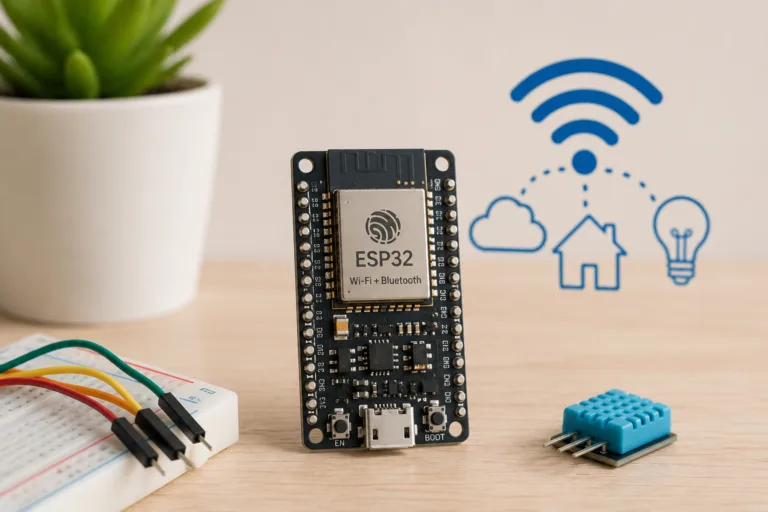
Connected hardware
The $5 Microchip That Democratized the Internet of Things
How a low-cost microcontroller with integrated wireless connectivity lowered the barrier to building connected devices.
Read the analysis
AI infrastructure
India Adopted AI First. Now Build What Watches It.
Why AI adoption also creates demand for observability, monitoring, and tools that help teams understand how systems behave.
Read the analysisExplore by problem
Go from understanding to building.
WireUnWired pairs research with practical tools so you can test assumptions and explore the engineering trade-offs yourself.
Plan local AI infrastructure ↗
Estimate memory needs, explore model configurations, and understand deployment constraints.
02 / SEMICONDUCTORSExplore chip economics ↗
Change yield and wafer assumptions to see how manufacturing economics respond.
03 / ENGINEERINGModel real-world trade-offs ↗
Use practical calculators for propulsion, energy, and connected-device design questions.
Our editorial standard
Useful analysis beats confident noise.
Start with evidence
Link to primary sources where possible, and avoid presenting an unverified claim as established fact.
Show the mechanism
Explain the technical, economic, or operational reason behind a development—not just what was announced.
Make limits visible
Separate fact from interpretation, state important assumptions, and acknowledge what remains uncertain.
Research articles are intended for learning and analysis. Verify time-sensitive data, market figures, and engineering assumptions against current primary sources before making critical decisions.