
On November 20, 2026, Samsung Electronics named Sang Joon Hwang, the executive who previously led memory development, as the new head of its Memory Business. The announcement is a leadership change, not a new chip launch. But it places an engineer associated with DRAM and high-bandwidth memory (HBM) development at the center of one of AI infrastructure’s most important supply chains.
Why a memory appointment matters
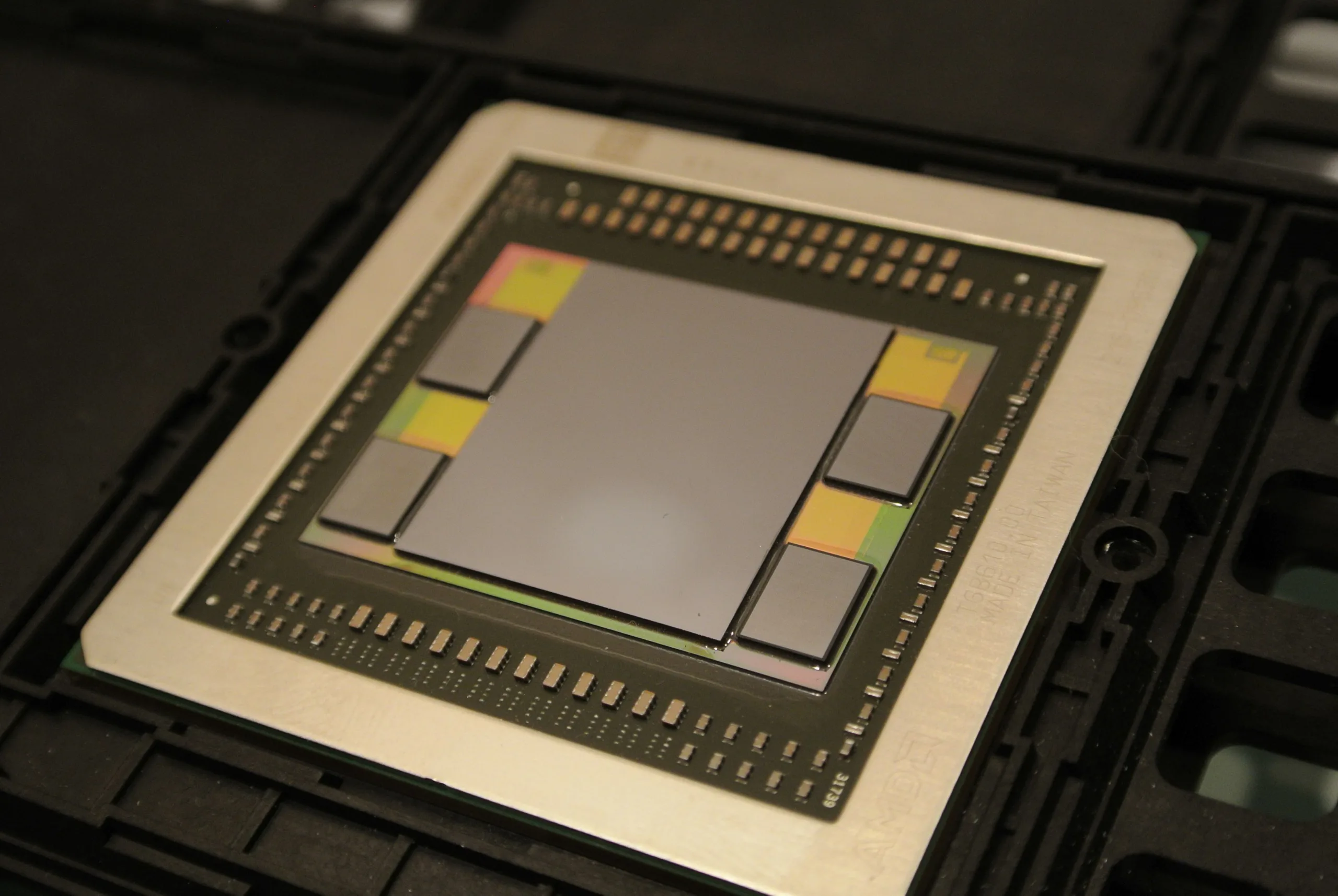
Modern AI accelerators need to move enormous amounts of data between processing units and memory. HBM addresses this by stacking DRAM dies and connecting them through dense vertical interconnects, bringing substantial bandwidth close to the compute package. Building competitive HBM is therefore not simply a matter of making a faster DRAM cell: manufacturing yield, packaging, thermal behavior, interface design and customer qualification all matter.
Samsung says Hwang previously headed Memory Development and worked on DRAM and HBM products. His elevation suggests the company wants product-development experience closely tied to decisions about its memory portfolio. That is an interpretation of the appointment—not evidence that Samsung has secured new orders or solved any particular yield or qualification challenge.
A wider semiconductor reshuffle
The company also appointed Sangyeun Cho to lead System LSI and Jong Myeong Lee as chief technology officer of its Device Solutions division. Samsung said Cho previously led Device Solutions Americas, while Lee had headed process development across DRAM, NAND and foundry technologies. Young Hyun Jun remains in charge of Device Solutions.
The distinction is useful: memory, logic design and manufacturing processes are separate disciplines, but increasingly converge inside advanced AI systems. A faster memory product is only valuable when it can be manufactured consistently, integrated into a package and qualified by customers. Samsung’s changes touch each of those organizational interfaces, even though the company has not announced specific new technical milestones in this release.
What to watch next
The measurable story will be in future product disclosures: HBM generation and bandwidth, power per transferred bit, manufacturing capacity, yield and customer qualification. None of those outcomes can be inferred from an executive appointment alone. For engineers and hardware buyers, the practical lesson is that AI performance depends not just on GPUs but also on the memory and manufacturing ecosystem that feeds them.
Primary source: Samsung Electronics, “Samsung Electronics Announces New Leadership,” November 20, 2026.
Discover more from WireUnwired Research
Subscribe to get the latest posts sent to your email.