Vulcan Centaur Loses 40 Amazon Satellites 10 Minutes After Liftoff
A Vulcan Centaur rocket carrying 40 Amazon Leo internet satellites blew up 10 minutes after liftoff, wiping out the entire payload. The loss was first detected when telemetry disappeared, but the problem began almost immediately after the vehicle left the pad.
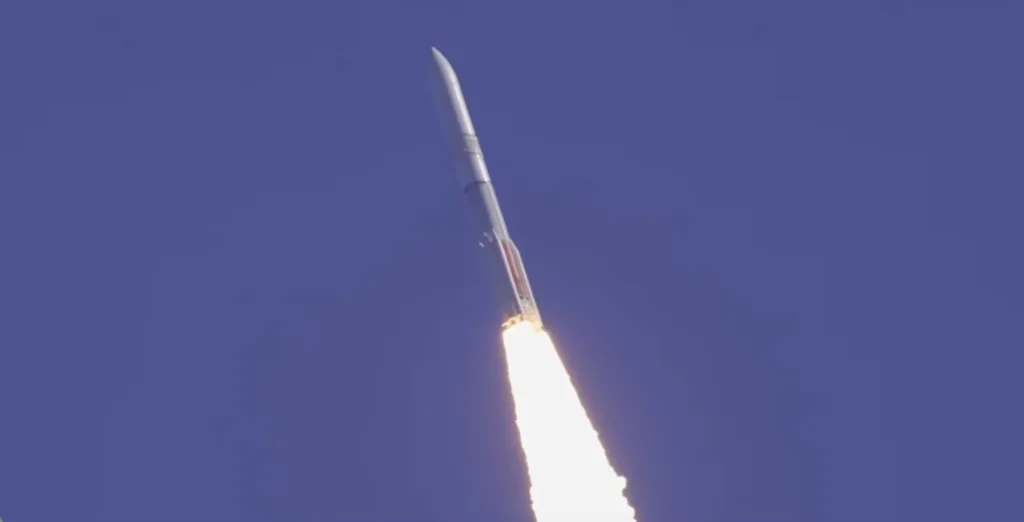
A Vulcan Centaur rocket carrying 40 Amazon Leo internet satellites blew up 10 minutes after liftoff, wiping out the entire payload. The loss was first detected when telemetry disappeared, but the problem began almost immediately after the vehicle left the pad. The failure shows how fragile the new launch system is, even after only five flights.
United Launch Alliance said the anomaly lay in the first‑stage booster. Low booster performance caused the vehicle to separate from its upper stage while still low in altitude and below the velocity needed for orbit. The Centaur V upper stage, powered by two RL‑10C engines, performed normally but could not recover from the early loss of thrust.
Vulcan’s history is a mixed bag. It has flown five times since its 2024 debut, but three of those missions encountered problems. On the second and fourth flights, a nozzle on one of the strap‑on solid rocket boosters fell off about 30 seconds after liftoff. After design and process improvements, the boosters performed nominally on the latest launch, yet the first‑stage issue still caused the mission to fail.
The engine that powered the first stage, the BE‑4 built by Blue Origin, also powers New Glenn, a key vehicle for NASA’s Artemis moon program.
If the investigation finds a serious flaw in the BE‑4, the ripple could affect New Glenn’s future launches and the integration of the Centaur V upper stage into the Space Launch System.
Our read is that this failure could delay Artemis milestones and strain the U.S. launch fleet, which already has only two powerful rockets in service.
Amazon’s plan to deploy a 3,200‑satellite constellation is also hit.
The company had booked 100 launches across several rockets, with 38 of those on Vulcan.
The loss of 40 satellites is a setback, but Amazon has already placed 400 operational satellites into orbit from 14 launches.
The company will need to re‑schedule the remaining Vulcan flights and may shift more of its payloads to Atlas V, New Glenn, Falcon 9, or Ariane 6.
The story so far
Earlier coverage connected by shared names and topics. Follow the dates to see how coverage developed; these links do not imply every article describes the same event.
 The Rail-Launched Rocket That Cost the Air Force Its Quick-Response Dream
A single minute of flight can kill an entire military program if the timing and the technology collide. On a November night…
Connected by: UnitedEARLIER COVERAGE- ULA's Vulcan Centaur Returns to Flight Carrying Amazon Satellites
United Launch Alliance is returning its Vulcan Centaur rocket to flight after a nine-month pause, carrying forty internet satellites for Amazon Leo.…
Connected by: Vulcan CentaurEARLIER COVERAGE - Vulcan Rocket Failure Shakes the US Launch Market
A roaring liftoff from Cape Canaveral ended in a fiery loss on Sunday, marking the first total mission failure in United Launch…
Connected by: AllianceEARLIER COVERAGE - Complex Vulcan Anomaly Puts US Launch Schedules on Shaky Ground
A United Launch Alliance Vulcan rocket failed ten minutes into its flight when low booster performance forced an early stage separation at…
Connected by: AllianceEARLIER COVERAGE - NOWVulcan Centaur Loses 40 Amazon Satellites 10 Minutes After LiftoffCURRENT UPDATE



Original publication: 18 November 2026 00:18