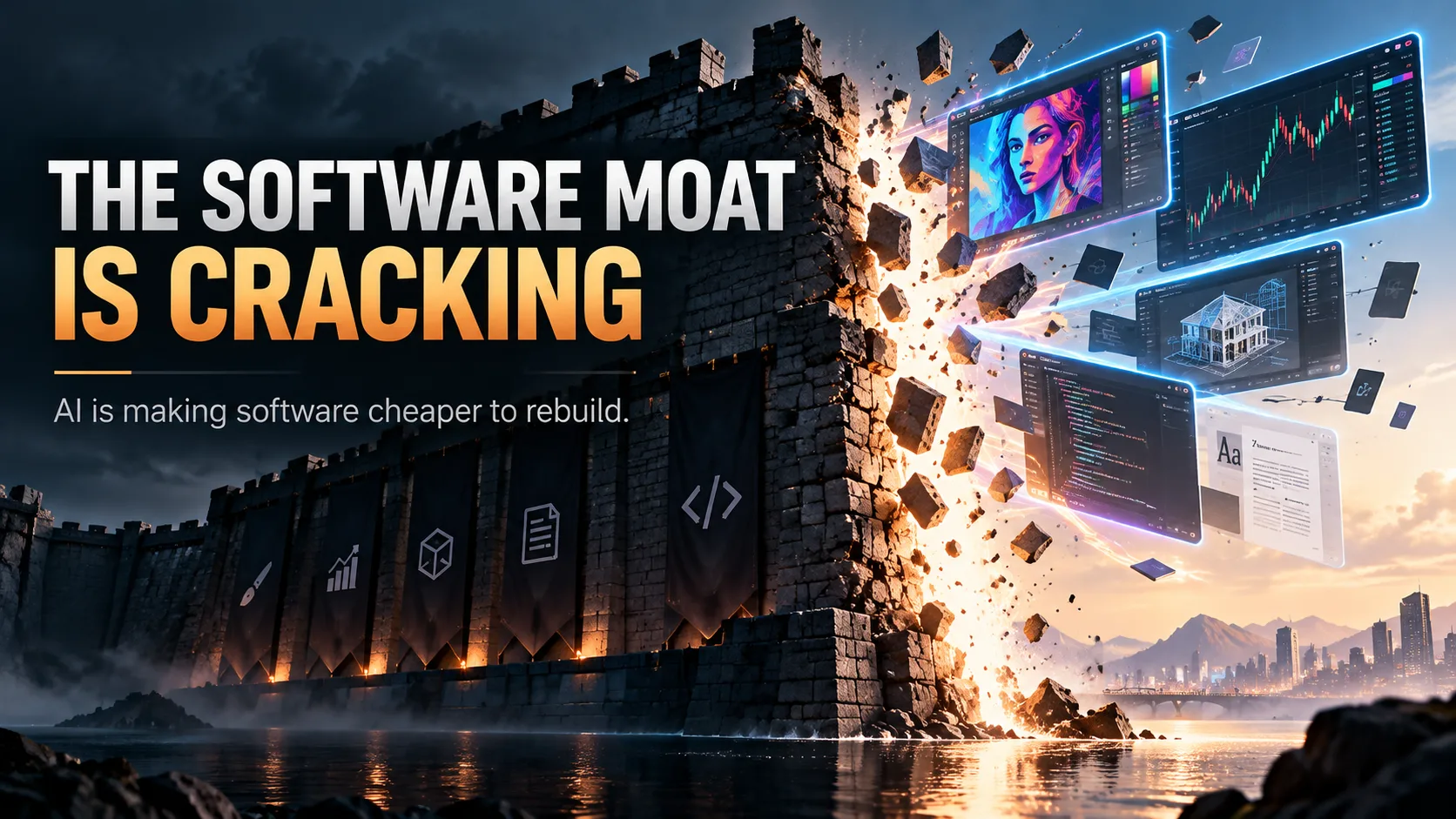

For decades, software companies enjoyed a peculiar kind of protection.
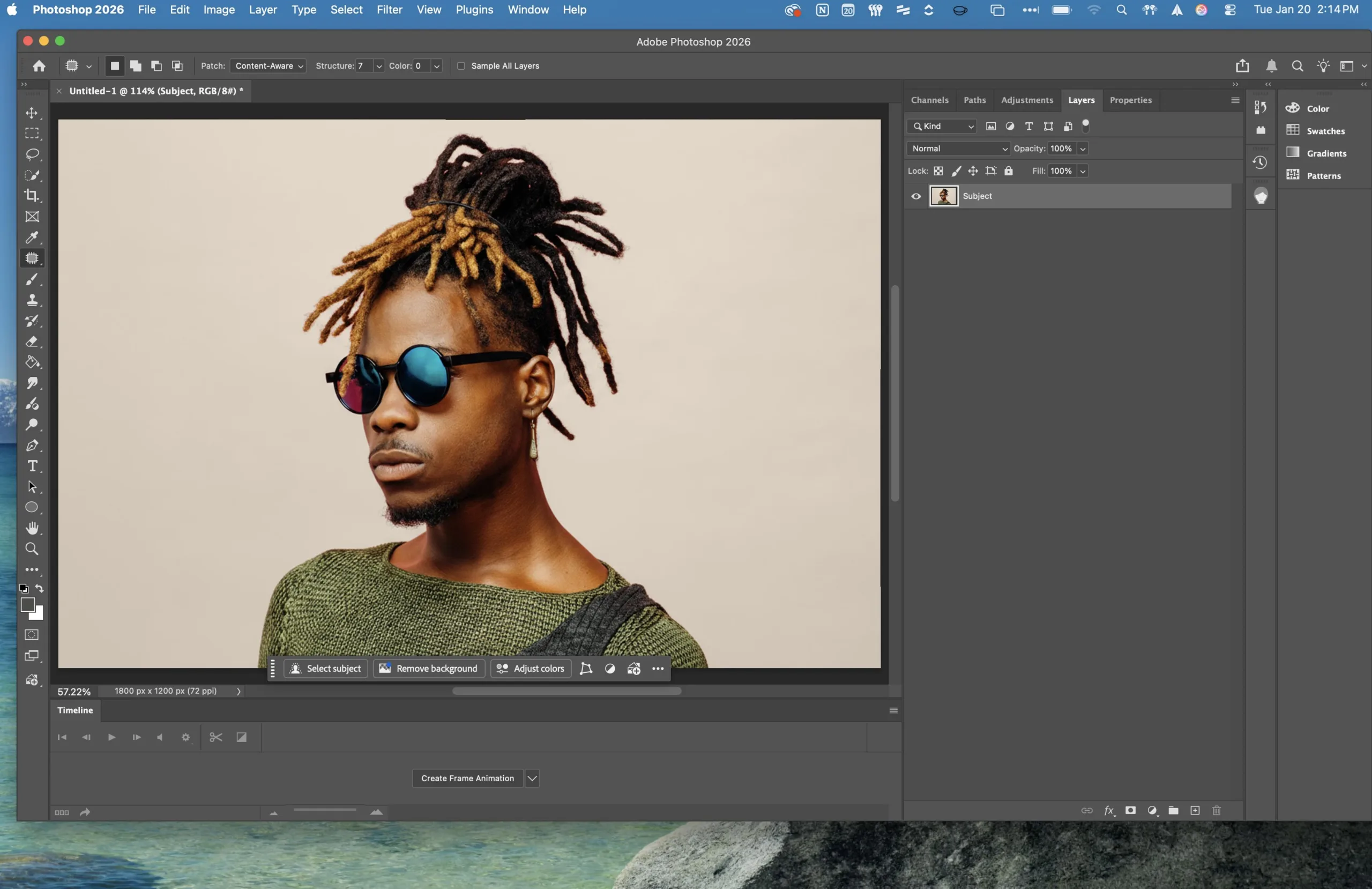
Once a product became sufficiently sophisticated, reproducing it was simply too expensive. A professional graphics application wasn’t just a collection of buttons. It represented years of engineering, rendering technology, file-format support, plugins, workflows, bug fixes and accumulated edge cases.
A serious trading platform wasn’t merely a candlestick chart. It required market-data infrastructure, indicators, s
Not perfectly. Not overnight. And certainly not by magically turning every open-source project into a commercial-grade replacement. But something fundamental has changed:
Not perfectly. Not overnight. And certainly not by magically turning every open-source project into a commercial-grade replacement. But something fundamental has changed:It has become economically reasonable for very small teams to attempt software that previously required enormous engineering organisations.
And that may matter more than any individual “Adobe killer” or “TradingView alternative.”
The Adobe Moment
Then TradingView Appears
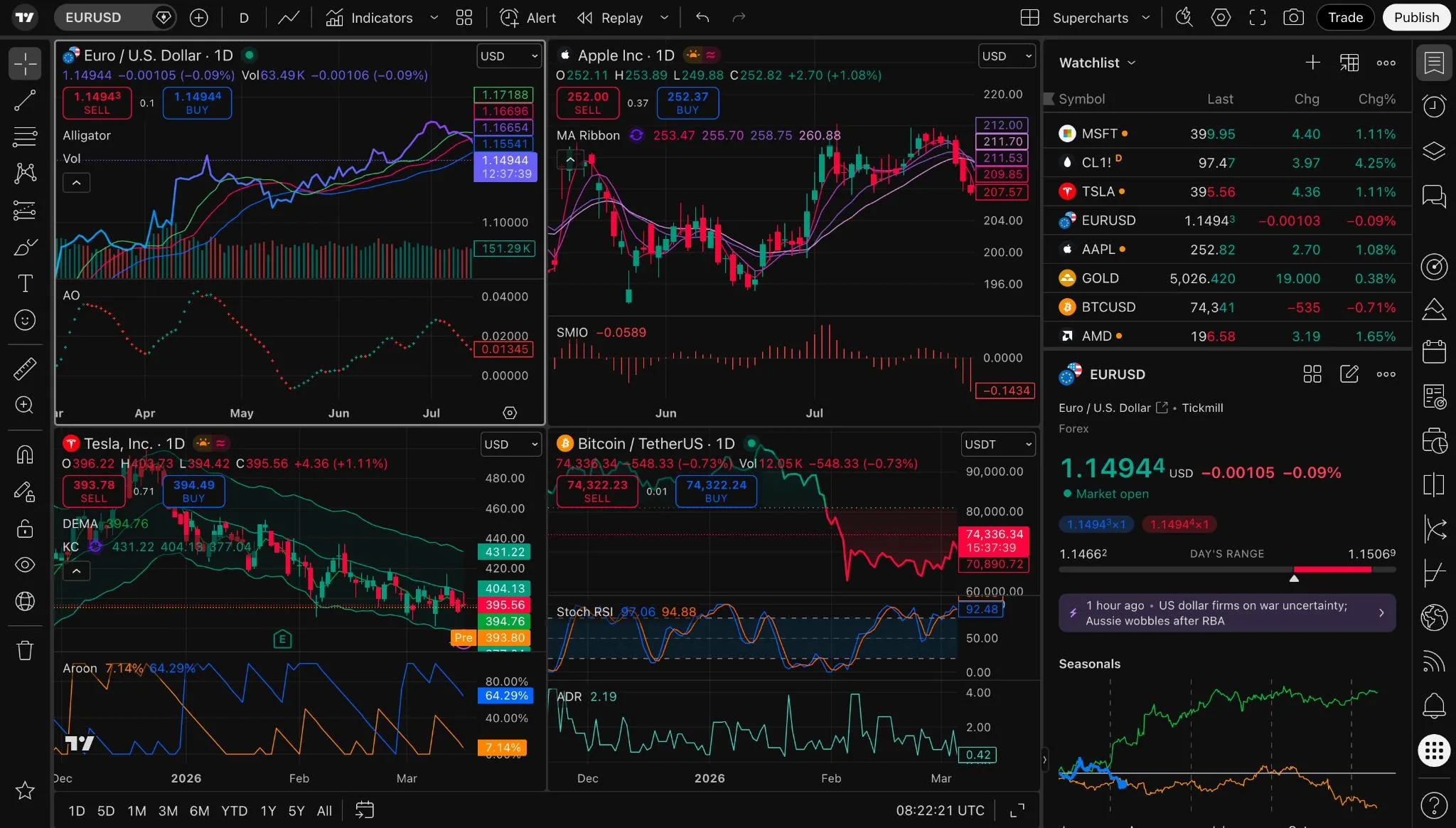
The same pattern is emerging in financial software.
CandleViewer(GitHub) describes itself as an open-source TradingView alternative, targeting GPU-accelerated charting, multiple market-data sources, indicators, scripting, drawing tools, alerts, backtesting and collaboration. Its own repository makes clear that it remains pre-alpha and is not production-ready.
OpenCharts (GitHub) takes a different route, presenting a self-contained trading-terminal experience with candlestick charts, drawing tools, indicators, watchlists, market-depth interfaces and paper trading.
Again, none of this means:
“TradingView is finished.”
It means something more subtle.
The basic software layer is becoming reproducible.
A candlestick chart isn’t a defensible moat anymore. Neither is a drawing toolbar. Neither is a watchlist. The harder question is everything underneath them.
Why This Matters
Imagine trying to build a Photoshop alternative fifteen years ago.
You needed:
- graphics engineers
- UI engineers
- file-format specialists
- rendering engineers
- colour-management experts
- QA teams
- infrastructure
- documentation
- years of development
Even if you had the technical knowledge, implementation cost was enormous. AI doesn’t magically eliminate those difficulties. What it does is change the economics of iteration:
build → test → discover edge case → fix → test again
A small team can now attempt far more iterations for the same human engineering effort. That is the real shift.
AI doesn’t necessarily make the problem easy. It makes attempting the problem cheaper.
Compatibility May Become the New Battlefield
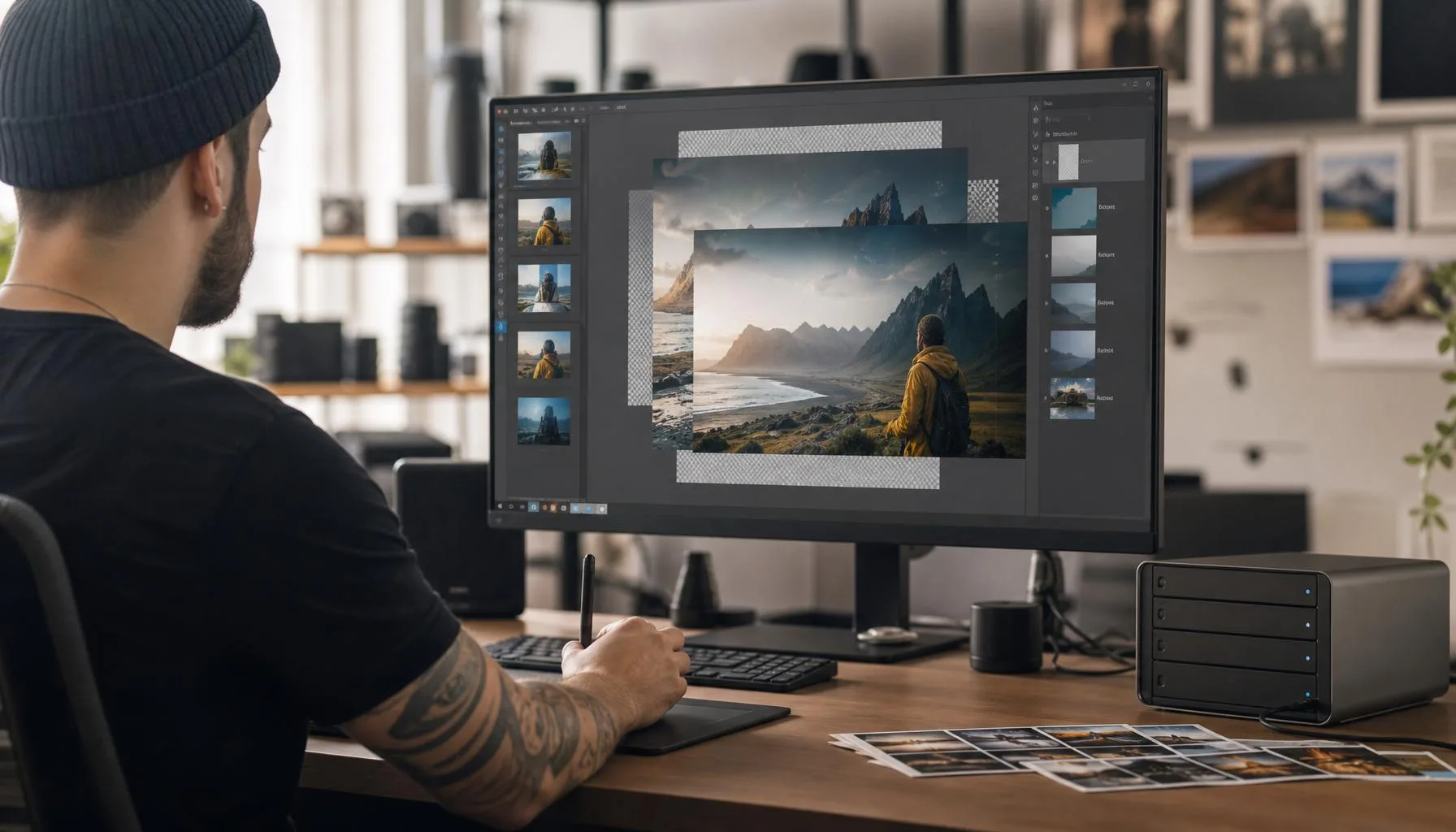
They may be the ones that say:
“Bring everything you’ve already built.”
That’s a much more powerful proposition. Users don’t necessarily remain with Photoshop because they love Photoshop. They remain because their work is already there.
Years of:
- PSD files
- templates
- shortcuts
- habits
- plugins
- workflows
- team processes
create enormous switching costs.
If an alternative can open those files, preserve their layers and allow the user to continue working without relearning everything, one of the incumbent’s most important barriers starts weakening.
That’s why projects like PhotoSuite, Patchy and OpenPhoto are more interesting than a generic “free Photoshop clone.”
So Is Software Actually “Over”?
In my opinion it’s a no and even if someone says it i think it will be a provocative claim. Software isn’t disappearing.
Software is becoming cheaper to produce.
And those are two very different things. For decades, the difficulty of building software itself was part of the moat. It took years of engineering, enormous teams, specialised knowledge and millions of dollars to turn an idea into a reliable product. AI is beginning to change that equation.
When the cost of producing software falls, however, the value doesn’t simply disappear.
It moves.
It moves toward the data that software understands.
Toward the infrastructure that makes it reliable.
Toward compatibility with everything users have already built.
Toward ecosystems, communities, distribution and trust.
And perhaps most importantly, toward understanding what should be built in the first place.
That may be the real story behind the new generation of open-source software clones. The question isn’t whether AI will kill Adobe, replace TradingView or eliminate today’s software giants.
The better question is:
If software becomes cheap to build, what becomes expensive to replace?
We don’t know the complete answer yet. But we may be watching the beginning of that shift now.
For context, see Senator Maggie Hassan Questions Trump Mobile Over Missing….
Discover more from WireUnwired Research
Subscribe to get the latest posts sent to your email.