AstroForge, the California‑based startup best known for its asteroid‑mining ambitions, is planning a bold experiment in autonomy. Its upcoming mission, Autonomy‑1, will be the first spacecraft to operate under the command of an onboard transformer‑based AI model called Solo. Instead of relying on Earth‑side mission control, Solo will coordinate spacecraft functions, respond to anomalies, and make real‑time decisions on its own.
Scheduled to launch in 2027 aboard Stoke Space’s Nova Pathfinder rocket, Autonomy‑1 represents a turning point in deep‑space exploration. By embedding autonomy directly into spacecraft, AstroForge hopes to cut the hundreds of millions typically spent on ground infrastructure and overcome the communication delays that make Earth‑based control impractical.
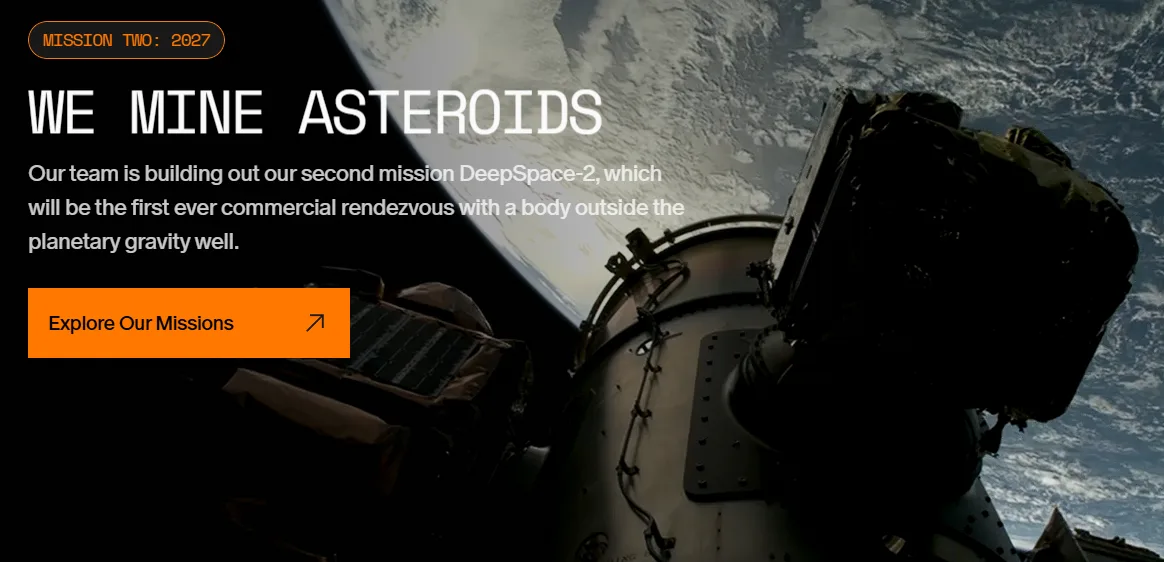
Before full deployment, AstroForge will run a shadow test on DeepSpace‑2 in late 2026, operating Solo alongside Intuitive Machines’ Moon mission to validate its reliability. The company acknowledges the risks—neural networks have rarely been trusted in safety‑critical space systems, and its earlier prototypes faced anomalies—but believes autonomy is essential for scaling future asteroid‑mining fleets.
Just to be failsafe Despite Solo’s commanding role, humans won’t be absent. Engineers will train and validate the AI before launch, monitor telemetry throughout the mission, and retain the ability to override Solo if needed. Traditional control algorithms remain as a failsafe, ensuring that human operators can step in during emergencies. Regulators will also require auditable logs of Solo’s decisions to maintain transparency and safety.
Autonomy‑1 will also carry NASA‑backed instruments to study the Sun, adding scientific value to its technological gamble. If successful, the mission could mark the moment when AI captains spacecraft, reshaping both the economics and feasibility of deep‑space missions.
For context, see Type One Energy Raises $200 Million in Series….
For context, see Flai’s AI dealership software is booking 50,000 appointments….
For context, see Pinterest’s AI now turns beauty Pins into action….
Discover more from WireUnwired Research
Subscribe to get the latest posts sent to your email.