Complex Vulcan Anomaly Puts US Launch Schedules on Shaky Ground
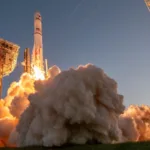
A United Launch Alliance Vulcan rocket failed ten minutes into its flight when low booster performance forced an early stage separation at low altitude and velocity.

A United Launch Alliance Vulcan rocket failed ten minutes into its flight when low booster performance forced an early stage separation at low altitude and velocity. That premature shutdown leaves the rocket unable to reach orbit, dealing a severe blow compared to its four previous flights that survived solid booster nozzle issues.
The failure happened because the vehicle experienced low thrust shortly after liftoff, according to preliminary data reviewed by engineers. Our read suggests that because Blue Origin provides the BE-4 engines for both Vulcan and the New Glenn rocket, any mechanical fault found in these methane-and-oxygen feed systems will instantly halt two major aerospace programs at once.
This uncertainty threatens the US Space Force and Amazon, which has more than a dozen launches of its Amazon Leo constellation scheduled for 2027. Blue Origin recently completed qualification testing on a modified main oxygen valve following a May ground test failure, but investigators have not yet pinned down the exact root cause here.
Watch whether the Federal Aviation Administration investigation ties the low booster performance to the engine hardware or the vehicle propellant systems.
The story so far
Earlier coverage connected by shared names and topics. Follow the dates to see how coverage developed; these links do not imply every article describes the same event.
 ULA's Vulcan Centaur Returns to Flight Carrying Amazon Satellites
United Launch Alliance is returning its Vulcan Centaur rocket to flight after a nine-month pause, carrying forty internet satellites for Amazon Leo.…
Connected by: AllianceEARLIER COVERAGE- Vulcan Rocket Failure Shakes the US Launch Market
A roaring liftoff from Cape Canaveral ended in a fiery loss on Sunday, marking the first total mission failure in United Launch…
Connected by: Blue OriginEARLIER COVERAGE - Dream Chaser Gets FAA Landing Approval Ahead of 2027 Launch
Sierra Space’s Dream Chaser has just cleared a major regulatory hurdle: the U.S. Federal Aviation Administration approved its return to Earth. The…
Connected by: SpaceEARLIER COVERAGE - Reflect Orbital Secures $73.5 Million to Launch Space Mirrors That Sell Sunlight After Dark
Selling sunlight after dark sounds like science fiction, but California startup Reflect Orbital is moving closer to putting thousands of mirrors in…
Connected by: GroundEARLIER COVERAGE - NOWComplex Vulcan Anomaly Puts US Launch Schedules on Shaky GroundCURRENT UPDATE



Original publication: 17 November 2026 23:30