
Vulcan Centaur Failure Traced to Fuel Supply, Not Engine Fault
When a launch that should have carried 40 Amazon satellites instead fizzled, ULA traced the fault to a missing fuel line, not a faulty engine. The failure occurred on Sunday, Nov.

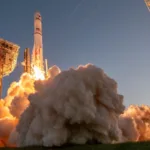
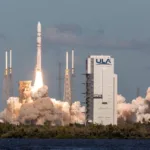
When a launch that should have carried 40 Amazon satellites instead fizzled, ULA traced the fault to a missing fuel line, not a faulty engine. The failure occurred on Sunday, Nov. 15, 2026, from Florida's Space Coast. ULA’s Vulcan Centaur rocket, the successor to the Atlas V, lost all payloads in the first stage.
The incident marked the only outright failure in the rocket’s five flights. Investigators found that the BE‑4 engines on the first stage received less fuel than required, causing their thrust to drop below the threshold needed for liftoff. The engines themselves performed within spec, indicating the problem lay in the fuel delivery system.
This low‑thrust anomaly was identified through telemetry that showed a sudden drop in pressure during the first 30 seconds. The root cause is still under investigation, but the evidence points to a fault in the fuel supply line. Because the engines were fine, the failure does not implicate Blue Origin, Jeff Bezos’ company that builds the BE‑4.
Two of the BE‑4s power Vulcan’s booster, and the same engine family is slated for New Glenn’s first stage.
New Glenn recently suffered a test‑bed explosion, but that incident stemmed from a different subsystem.
The good news is that the engine design remains credible, though the integration with ULA’s fuel system needs review.
The FAA is overseeing the investigation, and ULA has grounded the vehicle for an undetermined period.
The grounding length will depend on the findings, which could delay future launches.
Meanwhile, ULA’s solid rocket boosters and Centaur V upper stage performed nominally, suggesting the issue is isolated to the first‑stage fuel system.
Fixing the supply line will be critical before the next flight.
Our read: the fuel‑system flaw highlights that even a proven engine can be undermined by integration errors.
Watch how ULA resolves the supply issue and whether Blue Origin’s BE‑4 engines continue to fly unscathed on future missions.
The outcome will shape confidence in both companies’ heavy‑lift capabilities.
The story so far
Earlier coverage connected by shared names and topics. Follow the dates to see how coverage developed; these links do not imply every article describes the same event.
 ULA's Vulcan Centaur Returns to Flight Carrying Amazon Satellites
United Launch Alliance is returning its Vulcan Centaur rocket to flight after a nine-month pause, carrying forty internet satellites for Amazon Leo.…
Connected by: Vulcan CentaurEARLIER COVERAGE- Complex Vulcan Anomaly Puts US Launch Schedules on Shaky Ground
A United Launch Alliance Vulcan rocket failed ten minutes into its flight when low booster performance forced an early stage separation at…
Connected by: VulcanEARLIER COVERAGE - Vulcan Centaur Loses 40 Amazon Satellites 10 Minutes After Liftoff
A Vulcan Centaur rocket carrying 40 Amazon Leo internet satellites blew up 10 minutes after liftoff, wiping out the entire payload. The…
Connected by: Vulcan CentaurEARLIER COVERAGE - Fuel Shortage, Not Engine Failure, Blamed for Vulcan Launch Failure
A rocket that should have been a triumph instead fell short, not because its engines failed, but because they never got the…
Connected by: CentaurEARLIER COVERAGE - NOWVulcan Centaur Failure Traced to Fuel Supply, Not Engine FaultCURRENT UPDATE

Original publication: 18 November 2026 23:30