
We’re used to cars navigating city traffic or phones unlocking with face recognition, but what happens when your next coworker on the factory floor isn’t human at all?
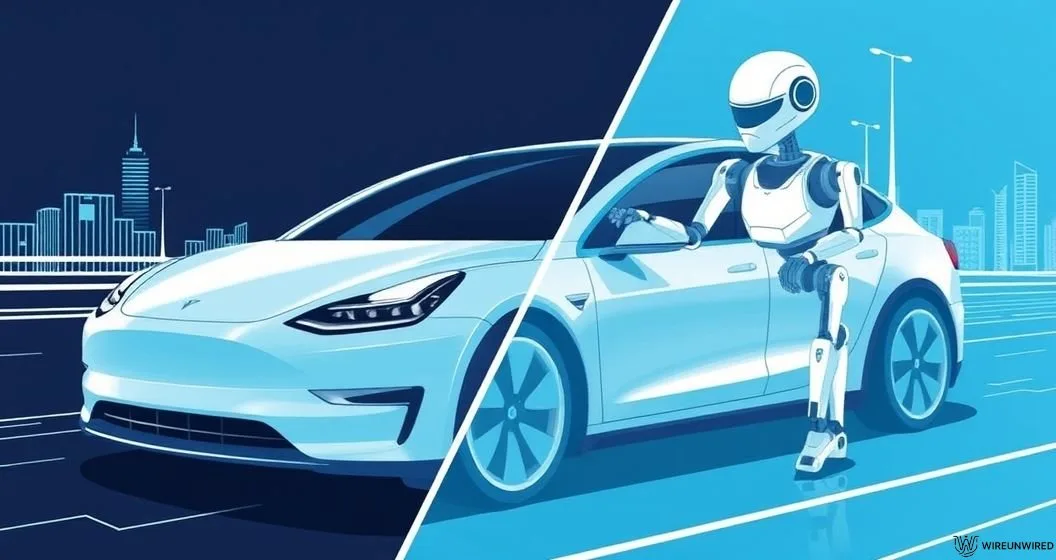
That question has moved from science fiction to everyday debate, as Tesla pivots from electric vehicles to focus on AI-driven humanoid robotics—drawing intense scrutiny and anticipation across the UK and the world.
Yet the path to this robotic future is hardly smooth. By mid-2025, production was well below projections, with only a few hundred prototypes built and major slowdowns attributed to complex hand and forearm mechanics. Many robots remain idle, awaiting critical redesigns—a reality reflected in recent financials, where Tesla’s Q2 revenue dropped 12% year-over-year to $22.5 billion and net profit declined by 16%. Despite these setbacks, Musk remains optimistic, emphasizing Tesla’s “iterative engineering approach” and rapid prototyping as cornerstones of long-term success.
As these robots transition from headlines to factory floors and public spaces, the discussion has also shifted. Security is now a frontline issue: UK news and industry analysts point to the urgent need for robust protocols as machines gain more autonomy. The stakes go well beyond cybersecurity—when robots can move, lift, and interact physically, a breach could mean not only data loss but genuine harm.
For a comprehensive exploration of the security risks, technical vulnerabilities, and best practices in deploying robots like Tesla’s Optimus, see our in-depth analysis on robotics security here: Tesla’s Optimus Robot Raises New Security Concerns As Robotics Deployment Accelerates – WireUnwired.
Experts stress that manufacturers and users must get ahead of the risks by implementing:
Secure, digitally-signed software updates to block unauthorized changes
n-super break-words underline decoration-from-font underline-offset-1 transition-all duration-300" href="https://builtin.com/robotics/tesla-robot" target="_blank" rel="nofollow noopener">Secure, digitally-signed software updates to block unauthorized changesComprehensive security checklists covering both digital and physical vulnerabilities
These aren’t just theoretical measures. UK-based commentators and social media voices warn that every robot on a factory floor represents a new point of vulnerability. If safeguards lag, the very robots designed to enhance productivity and safety could become threats in themselves.
But Tesla’s strategy is about more than overcoming technical or security hurdles—it’s about reshaping the competitive landscape. As countries and companies race for AI supremacy, the UK’s own manufacturing scene and robotics startups see both disruption and opportunity. Policy makers, industry watchers, and the public are already weighing the promise of increased productivity and new industry growth against legitimate concerns for privacy, safety, and ethical deployment.
Conclusion:
Tesla’s Optimus project marks a pivotal moment in the evolution of automation: not simply a leap in technology, but a social and ethical test of how we integrate autonomous machines into the fabric of daily life. With balanced caution and proactive standards, the promise is a future where humans and robots collaborate securely—and where innovation doesn’t come at the expense of trust.