
NASA Opens Applications for Next Generation of Moon and Mars Explorers
America is opening the door for its next wave of spacefarers. NASA has officially started accepting applications for its upcoming astronaut candidate class, inviting qualified U.S. citizens to apply through December 3.
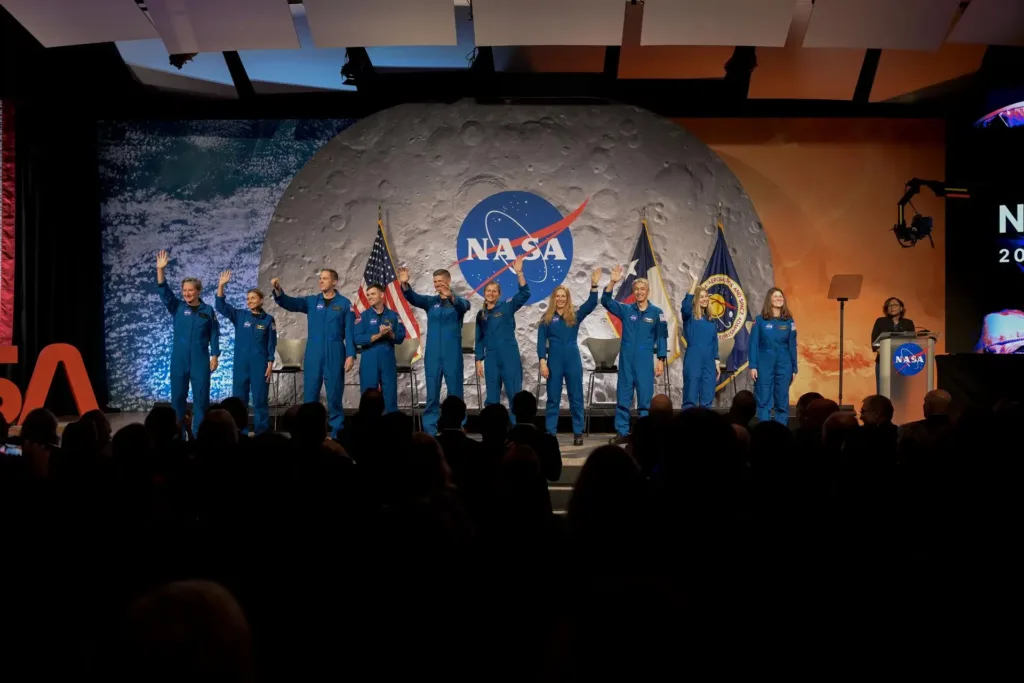
America is opening the door for its next wave of spacefarers. NASA has officially started accepting applications for its upcoming astronaut candidate class, inviting qualified U.S. citizens to apply through December 3. This new cohort will train to operate on the lunar surface, live beyond Earth, and lay the groundwork for humanity's first crewed missions to Mars.
The announcement follows a previous application cycle in 2024 that drew over 8,000 hopefuls and yielded ten candidates who are currently finishing their training. Applicants face a rigorous screening process that demands distinct academic and professional credentials. Candidates must hold a master's degree in a STEM field, such as engineering, biological science, physical science, or computer science, alongside three years of related professional experience.
Alternatively, applicants can qualify through doctoral work, specific medical degrees, or completion of a nationally recognized test pilot school program paired with a STEM bachelor's degree. Pilots and medical doctors must also meet specific flight-hour or residency thresholds before final selections are made. Our read is that while the public often views astronaut selection through the lens of individual glory, NASA is actually engineering a specialized workforce for sustained industrial presence on another celestial body.
The agency currently maintains 32 active astronauts in its corps and has selected 370 individuals since the 1960s.
Final selections for this latest group will be announced in late 2027, sending the chosen candidates into a demanding training regimen of spacewalking, lunar geology, and high-performance aircraft operations.
That means the next people to walk near the lunar South Pole are sitting at their desks right now, weighing whether to submit their credentials.
Whether this new class ultimately establishes the permanent lunar foothold NASA envisions will depend on technical excellence and courage.
The window is open, but the physical and professional demands ensure only a tiny fraction will make the cut.
The story so far
Earlier coverage connected by shared names and topics. Follow the dates to see how coverage developed; these links do not imply every article describes the same event.
 How a Single NASA Mentor Shapes the Future of Space Flight
When Rice University student Malvika Bhardwaj asked her mentor if he had time to keep teaching interns amid a demanding workload, the…
Connected by: Next GenerationEARLIER COVERAGE- NASA Chief Says Annual Moon Rocket Launches Are Non-Negotiable
NASA Administrator Jared Isaacman wants a big rocket to leave Earth for the moon every single year. Following April's Artemis II mission…
Connected by: EarthEARLIER COVERAGE - NASA Invites the Public to Ride Along on Its Nuclear Rotorcraft Bound for Saturn's Moon Titan
Humanity is still far from traveling to the outer edges of the solar system in person, but your name can make the…
Connected by: EarthEARLIER COVERAGE - How a Decades-Long Silence Ended NASA's Most Reliable Mars Pioneer
When NASA launched the Mars Global Surveyor on November 7, 1996, it broke a dry spell that had lasted nearly twenty years.…
Connected by: EarthEARLIER COVERAGE - NOWNASA Opens Applications for Next Generation of Moon and Mars ExplorersCURRENT UPDATE


Original publication: 7 November 2026 23:41