Curiosity’s Landing Technology Helped Shape the Next Mars Rover
Curiosity’s launch anniversary is also a reminder that a successful mission can leave behind more than scientific results. The rover’s basic design, power system and sky-crane landing approach were later used by Perseverance.
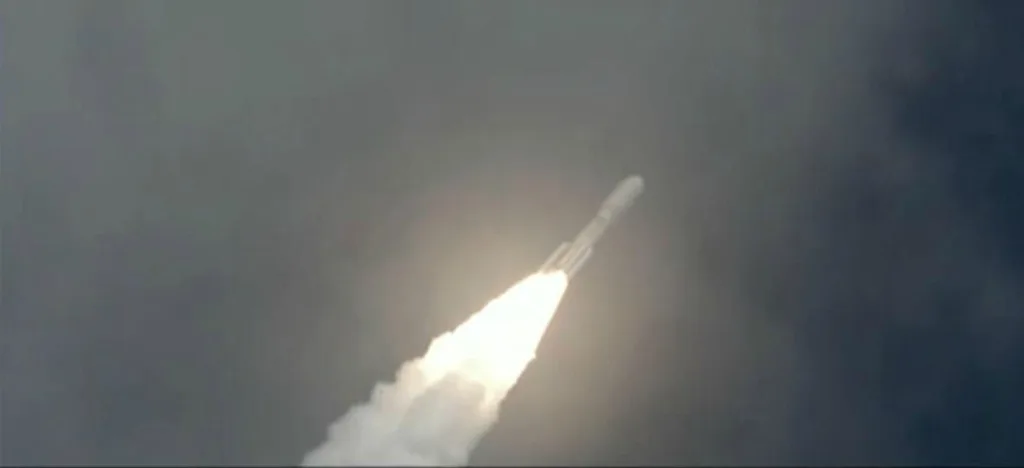
Curiosity’s launch anniversary is also a reminder that a successful mission can leave behind more than scientific results. The rover’s basic design, power system and sky-crane landing approach were later used by Perseverance.
NASA launched Curiosity toward Mars in November 2011. Its radioisotope generator converts heat from radioactive decay into electrical power. After the journey, an automated sky crane lowered the rover to the surface, using a landing method that was new for the mission.
The scientific objective was to look for environments that could support life, including evidence of past habitability. The rover found evidence of ancient running water and, later, organic molecules. Those are findings about Mars’s environment; they do not by themselves establish that life existed there.
Curiosity continued beyond its planned primary mission, and NASA extended its work. Our read: the strongest legacy in this account is the combination of continued science and engineering carried into a successor. The successor carried proven engineering forward while Curiosity continued investigating the landscape that made the original mission worthwhile.
Sources & updates
WireUnWired brief.
Original report: Space.com
Source published: 26 Nov 2026, 22:25
Image credit: Space.com
The story so far
Earlier coverage connected by shared names and topics. Follow the dates to see how coverage developed; these links do not imply every article describes the same event.
 How a blinding dust storm helped Mariner 9 rewrite the Martian map
When NASA sent Mariner 9 toward Mars in 1971, scientists expected another boring lunar twin. Earlier flybys showed a heavily cratered surface,…
Connected by: MarsEARLIER COVERAGE- A Grid of 49 Punctures Reveals How Curiosity Bores Into Mars
Forty-nine neat gray, brown, and reddish-orange rings now map a decade of chemical sampling on Mars. NASA released a new seven-by-seven photo…
Connected by: CuriosityEARLIER COVERAGE - Forty-Nine Holes Later, Curiosity Keeps Drilling Into Mars
Forty-nine distinct scars now mark the Martian surface where NASA's Curiosity rover has bored into rock to sample the planet. A newly…
Connected by: CuriosityEARLIER COVERAGE - NASA Defines SR-1 Freedom’s Fission-Powered Test Mission Toward Mars
NASA’s planned Mars-bound spacecraft will switch its reactor off during part of the journey. The shutdown and later restart are part of…
Connected by: MarsEARLIER COVERAGE - NOWCuriosity’s Landing Technology Helped Shape the Next Mars RoverCURRENT UPDATE
Original publication: 26 November 2026 22:25