
WireUnwired Summary
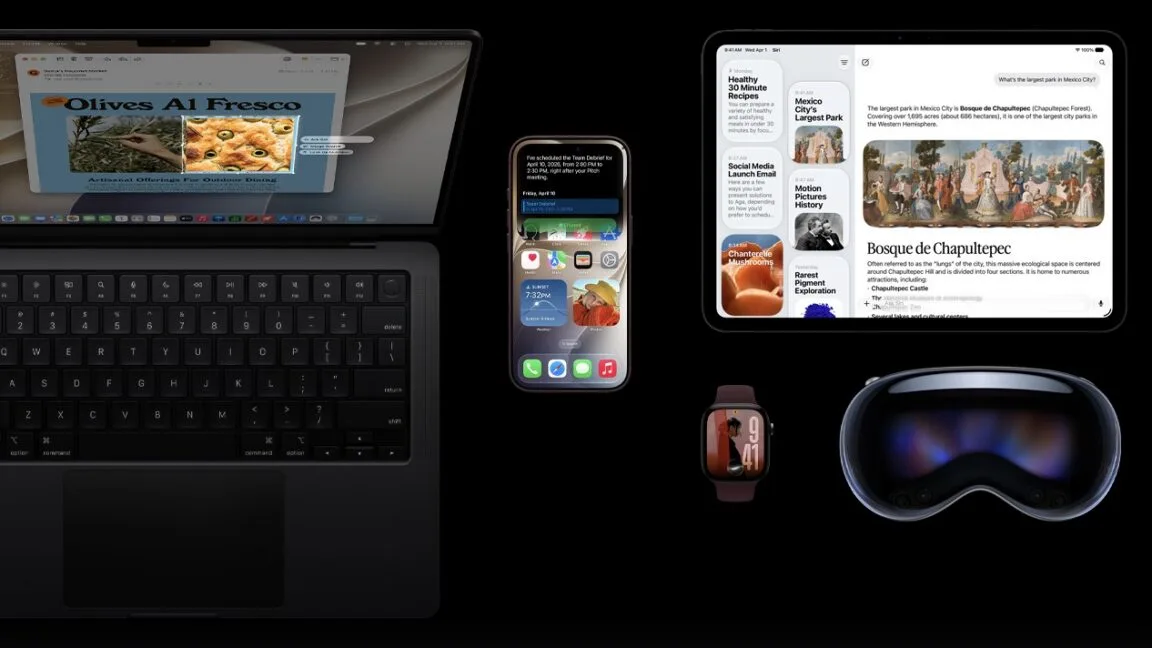
nnnApple just released iOS 27 and macOS 27 Golden Gate, along with watchOS, visionOS, and tvOS 27. The headline feature is Siri AI, a large‑language‑model overhaul that can read the screen, pull from past emails, and drive apps when developers enable it. Apple also added a Liquid Glass slider that lets users tweak transparency across the entire interface. The update feels like a leap forward, but only the newest iPhones and M‑series Macs can run the full AI experience. That split raises questions about how Apple balances innovation with device fragmentation.
nnnSiri AI runs on a family of models called AFM 3. The core on‑device version has 3 billion parameters, while the advanced version carries 20 billion but activates only 1‑4 billion at a time thanks to a sparse architecture. This design keeps the model lightweight enough for a phone’s CPU while still delivering deep context awareness. On‑device inference also protects user data from leaving the device. Apple’s choice signals a push toward privacy‑first AI that doesn’t rely on constant cloud connectivity.
nnnFor heavier workloads, Apple offers cloud‑based models: AFM 3 Cloud, ADM 3 Cloud for images, and AFM3 Cloud Pro. These remote servers can handle larger prompts and richer media. The article does not disclose latency or cost figures, so the trade‑off between speed and power remains unclear. Still, the dual‑model strategy shows Apple is hedging between on‑device convenience and cloud power.
nnnBeyond AI, the update polishes the visual experience. The Liquid Glass slider lets users choose how translucent the UI feels, a tweak that many users had requested. macOS now renders all system UI in HDR and supports a broader range of external monitor modes. watchOS adds a new watch face, expanded health tracking for perimenopause and menopause, and removes the rarely used Walkie Talkie feature. visionOS introduces a new virtual environment called Thórsmörk and improves screen recording.
nnnDevice support is a key caveat. iOS 27 works on iPhone 11 and newer, but Siri AI requires an iPhone 15 Pro or later. Golden Gate is limited to M‑series Macs and will be the last macOS to run Rosetta for Intel apps. After this cycle, many older Intel‑only applications will cease to run, except for legacy games that Apple has exempted. Apple’s move to AI while ending Intel compatibility underscores a broader shift toward its silicon ecosystem. The real test will be whether users embrace the new AI features or feel left behind by the hardware cut‑off.
nnOriginal source: Ars Technica
Sources & updates
AI-assisted brief based on the original reporting.
Original report: Ars Technica
Image credit: Ars Technica
Discover more from WireUnwired Research
Subscribe to get the latest posts sent to your email.