Fuel Shortage, Not Engine Failure, Blamed for Vulcan Launch Failure
A rocket that should have been a triumph instead fell short, not because its engines failed, but because they never got the fuel they needed.
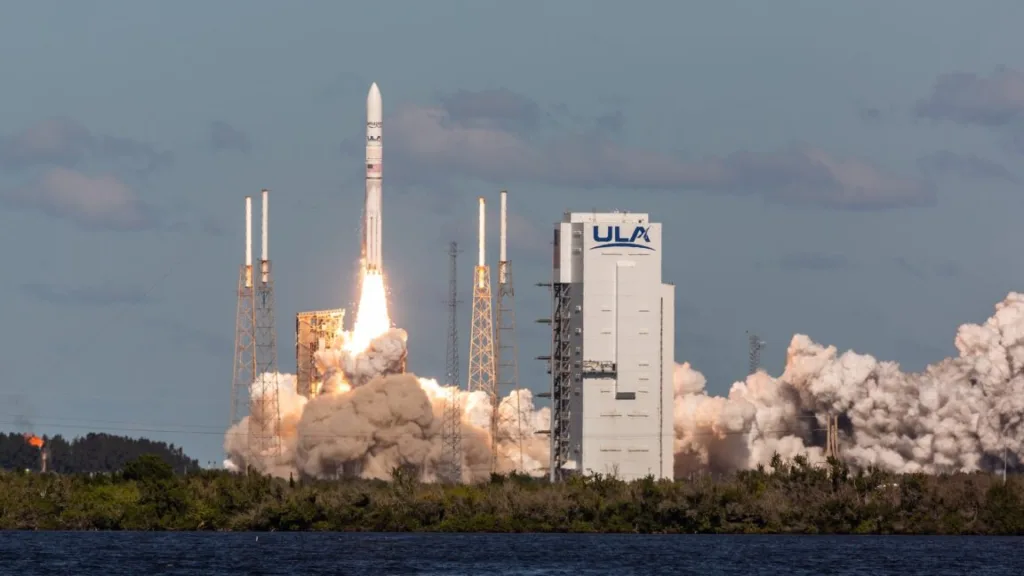
A rocket that should have been a triumph instead fell short, not because its engines failed, but because they never got the fuel they needed. ULA’s preliminary review points to a low booster thrust caused by inadequate fuel supply to the BE‑4 engines, not a problem with the engines themselves.
This finding relieves Blue Origin, whose New Glenn also uses the BE‑4, and eases pressure on NASA, which relies on the Centaur V upper stage. In a statement, ULA said the integrated review of flight data from the Leo 1 launch anomaly revealed that the engines were fine; the problem lay in the plumbing that feeds liquid oxygen and methane.
While the investigation is still ongoing, the early indication is that the vehicle’s fuel lines did not deliver enough propellant to the engines. The company noted that work remains to pin down the exact cause, but the engine performance is ruled out. For Blue Origin, the news is a relief.
The company had already fixed a main oxygen valve that caused a May ground‑test failure of New Glenn.
With the BE‑4 exonerated, Blue can push forward with a return‑to‑flight launch that could happen as early as January.
The retrofit that Blue applied to Vulcan missions is now confirmed to be unrelated to the Sunday mishap.
The setback is harsher for ULA.
Vulcan’s fifth launch, the first outright failure, comes after two earlier missions that suffered nozzle problems.
ULA has spent three years moving the rocket out of its teething phase, and a successful flight could have set up a monthly cadence next year.
Instead, the company faces months offline while it tackles complex plumbing and propellant‑management issues.
The broader launch market feels the ripple.
NASA, which contracted the Centaur V for its Space Launch System, is relieved that the upper stage did not contribute to the failure.
Satellite operators, including Amazon Leo, lost dozens of satellites on Sunday, and the launch crunch continues.
The next few months will show whether ULA can resolve its fuel‑delivery problem and keep its Vulcan program on track.
The story so far
Earlier coverage connected by shared names and topics. Follow the dates to see how coverage developed; these links do not imply every article describes the same event.
 Nintendo Loses Its Main Chip Supplier as Tech Memory Shortage Hits Game Cartridges
The global tech memory crunch is finally coming for physical video game cartridges. Macronix, the primary manufacturer of ROM chips for Nintendo…
Connected by: ShortageEARLIER COVERAGE- ULA's Vulcan Centaur Returns to Flight Carrying Amazon Satellites
United Launch Alliance is returning its Vulcan Centaur rocket to flight after a nine-month pause, carrying forty internet satellites for Amazon Leo.…
Connected by: CentaurEARLIER COVERAGE - Complex Vulcan Anomaly Puts US Launch Schedules on Shaky Ground
A United Launch Alliance Vulcan rocket failed ten minutes into its flight when low booster performance forced an early stage separation at…
Connected by: Blue OriginEARLIER COVERAGE - Vulcan Centaur Loses 40 Amazon Satellites 10 Minutes After Liftoff
A Vulcan Centaur rocket carrying 40 Amazon Leo internet satellites blew up 10 minutes after liftoff, wiping out the entire payload. The…
Connected by: CentaurEARLIER COVERAGE - NOWFuel Shortage, Not Engine Failure, Blamed for Vulcan Launch FailureCURRENT UPDATE


Original publication: 18 November 2026 22:28