
Pioneer Labs researchers engineer a new microbe named sPL.001 to help humanity settle Mars.
Researchers at Pioneer Labs have engineered a microbe named sPL.001 designed to help humanity settle and eventually terraform Mars. The nonprofit biotechnology startup revealed the development in a series of studies, aiming to reduce reliance on supplies shipped from Earth.
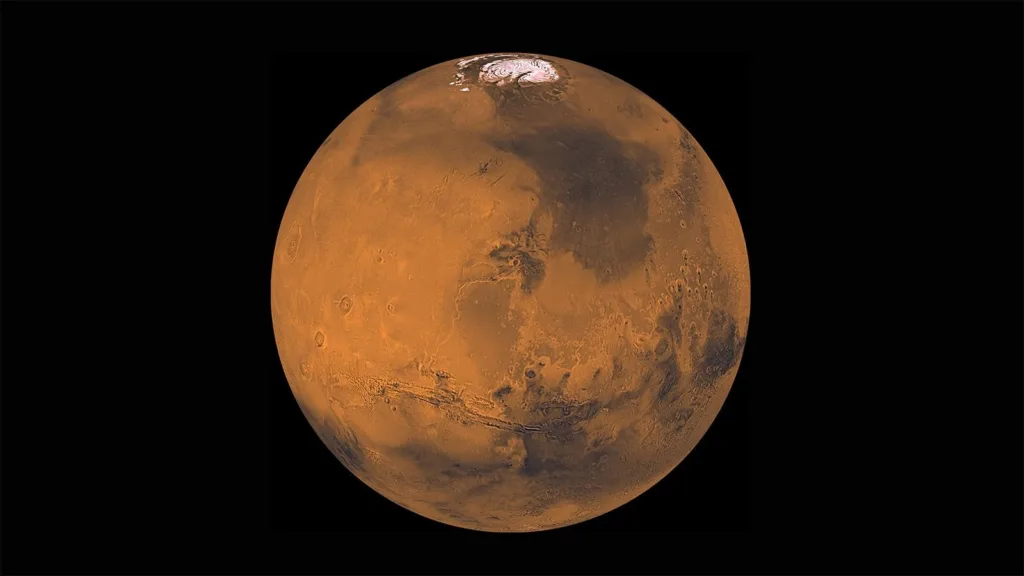
Researchers at Pioneer Labs have engineered a microbe named sPL.001 designed to help humanity settle and eventually terraform Mars. The nonprofit biotechnology startup revealed the development in a series of studies, aiming to reduce reliance on supplies shipped from Earth. The new microbe survives on chemically accurate, artificial versions of Martian soil, water, and air without requiring toxic salts and perchlorates to be rinsed away first.
By consuming these unprocessed materials, the organism generates bioplastics that could be used to build habitats. The company used laboratory evolution to adapt Earth microbes to harsh simulated Mars conditions. To survive, the organism requires a heated, stirred bioreactor that shields it from radiation and extreme temperatures. It also needs a processed form of air that supplies nitrogen as acetate, because normal Martian air is too dilute.
Researchers stated these specific limitations ensure the microbe cannot survive outside its controlled environment, preventing accidental planetary contamination. The company estimates that the technology could allow all equipment needed to build a Martian city to fit onto a single rocket launch. However, CEO Erika DeBenedictis noted that simulated soil is not actual Mars, meaning the ultimate test requires trials using real Martian regolith.
WireUnWired turns the supplied report into a clearer brief, preserves the original publisher and author details, and adds relevant context without hiding where the information came from.
Relevant WireUnWired coverage is connected so one story can lead into the larger technology context.
Original publication: 9 October 2026 21:30
 NASA — Recently PublishedNASA Researchers Develop New Solid-State Batteries to Support Artemis Campaign on the Moon's South Pole
 NASA — Recently PublishedPhotographers Capture Mars and the Beehive Star Cluster Beneath a Swedish Aurora on October 14, 2026
 NASA — Recently PublishedNASA Names Astronaut Christina Koch Acting Deputy Chief Engineer