Nvidia's big bet on physical AI aims for safer robotaxis, humanoid robots
Nvidia has expanded its Halos safety architecture to robotics, introducing a full-stack platform designed to help physical artificial intelligence systems operate safely around people.
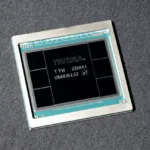
Nvidia has expanded its Halos safety architecture to robotics, introducing a full-stack platform designed to help physical artificial intelligence systems operate safely around people. The report says the expanded package includes the Nvidia IGX Thor computing module, which features an independent processor dedicated to safety workloads on the same silicon.
The setup also uses the Halos operating system to monitor hardware blocks and software libraries, plus the Holoscan Sensor Bridge to connect sensor data and spot corrupt information. According to Nvidia, the system addresses the bottleneck of safety as robot hardware and AI models grow more capable. Adapting the platform from autonomous vehicles required building programmable hooks so developers can define custom safety functions for unstructured environments like warehouses and factories.
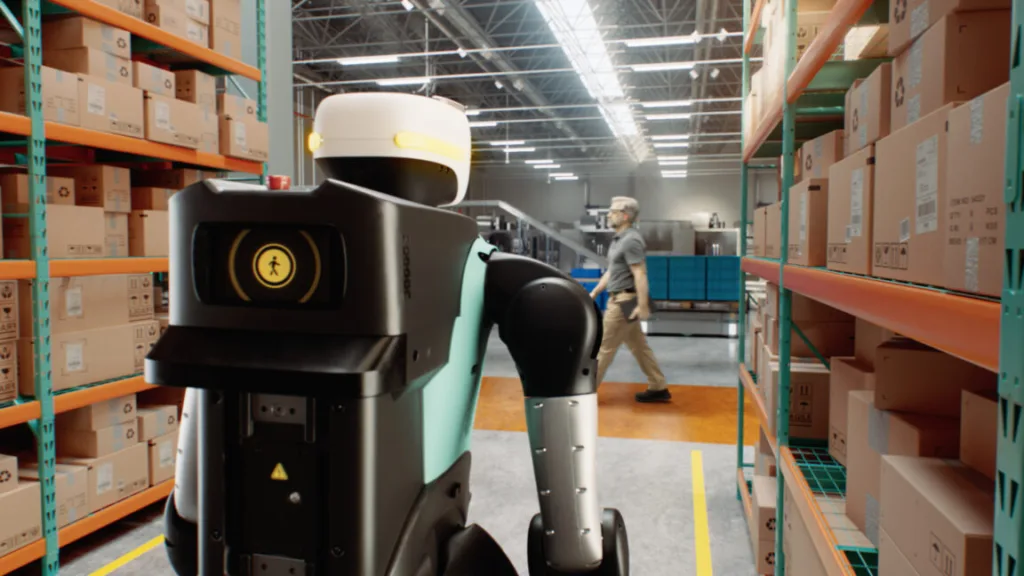
Agility Robotics became the first company to use the system in its Digit 5 humanoid robot, while Boston Dynamics, KION Group, and LG are also adopting Nvidia’s safety framework. Nvidia CEO Jensen Huang noted that physical AI is already driving nearly $10 billion in annual revenue.
WireUnWired turns the supplied report into a clearer brief, preserves the original publisher and author details, and adds relevant context without hiding where the information came from.
Relevant WireUnWired coverage is connected so one story can lead into the larger technology context.
Original publication: 8 October 2026 16:45