
Neanderthal wooden tools from Spain found preserved in stone
Archaeologists have cataloged hundreds of hollow molds left by ancient wooden objects at Abric Romaní, a rock shelter in Spain. The finds, dating from 62,000 to 40,000 years ago, offer rare insight into Neanderthal woodworking.
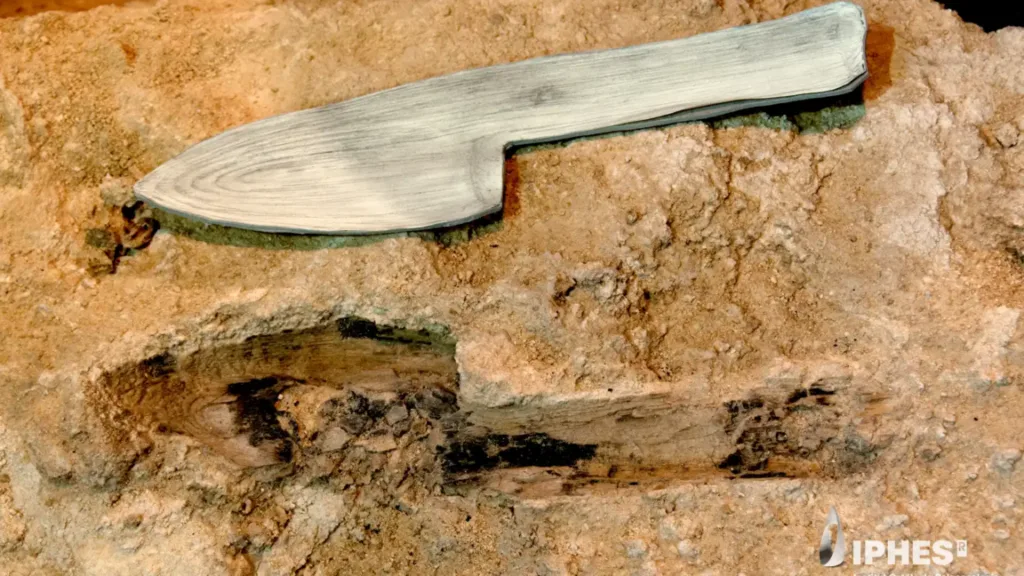
Archaeologists have cataloged hundreds of hollow molds left by ancient wooden objects at Abric Romaní, a rock shelter in Spain. The finds, dating from 62,000 to 40,000 years ago, offer rare insight into Neanderthal woodworking. Published in Science Advances, the study details 597 wooden remains preserved when mineral-rich spring water coated items in a limestone-like crust before the wood decayed.
Researchers used 3D scanning and photogrammetry to study the negative molds. Out of the total remains, 13 objects were modified by Neanderthals. These included four shallow juniper bark trays, a five-meter-long pole likely used for shelters, two spears, and a unique carved wooden club. One spear point featured an impact fracture consistent with striking bone.
The discoveries show that woodworking was a routine part of daily life rather than an occasional activity. Co-author M. Gema Chacón noted that Neanderthals selected specific woods for different purposes, matching materials like Scots pine and juniper to tools and firewood with careful planning. The findings challenge old assumptions about Neanderthals being unsophisticated.
However, Chacón warned that researchers elsewhere might have previously discarded similar wooden impressions due to a lack of time and funding.
WireUnWired turns the supplied report into a clearer brief, preserves the original publisher and author details, and adds relevant context without hiding where the information came from.
Relevant WireUnWired coverage is connected so one story can lead into the larger technology context.
Original publication: 10 October 2026 04:04
 Ars TechnicaWikimedia Foundation Reports OpenAI Agents Attempted to Hack Wikipedia Tools and Flooded Infrastructure with Traffic
 Ars TechnicaDisney Offers $20 Million For Character.AI Technology Amid Chapter 11 Bankruptcy Proceedings
 Ars TechnicaTrump commercial railing against his enemies kept airing after court blocked it