NASA Fires Developmental RS‑25 Engine for 200‑Second Test Ahead of Artemis IV
NASA fired a developmental RS‑25 engine for 200 seconds on Nov. 18, 2026, a test that will never reach the launch pad.

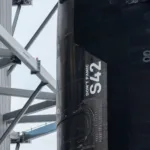
NASA fired a developmental RS‑25 engine for 200 seconds on Nov. 18, 2026, a test that will never reach the launch pad. The 3‑minute‑20‑second burn, conducted on the Fred Haise Test Stand, is a critical step in gathering data that will tighten performance and reliability for the Artemis IV mission.
The test’s mechanism is straightforward: the engine is run at full thrust for the planned duration, while sensors record pressure, temperature, and vibration. Compared to the four flight‑ready RS‑25 engines that deliver up to 2 million pounds of combined thrust on the SLS, this developmental unit is a dry‑run that still provides real‑world data.
The consequence is a clearer picture of how the engine behaves under stress, allowing engineers to tweak designs before the 2028 launch. What makes this test surprising is that the engine will never be flown. Yet NASA, L3Harris Technologies, and Nova Space Solutions treat it with the same rigor as a flight unit, underscoring the agency’s commitment to risk mitigation.
Our read is that this exhaustive testing signals NASA’s intent to eliminate surprises that could delay the Artemis program.
Artemis IV, scheduled for 2028, will launch astronauts from Kennedy Space Center aboard Orion, using the SLS rocket powered by four RS‑25 engines.
The mission’s goal is to land near the lunar South Pole, establish a sustained human presence, and lay the groundwork for the first crewed Mars flight.
Reliability of the RS‑25 engines is therefore not just a technical requirement—it is the linchpin of NASA’s broader lunar and Martian ambitions.
As the Artemis timeline tightens, the public should watch the results of this 200‑second test.
The data will inform whether the SLS can meet its thrust and reliability targets, and whether the 2028 launch window remains realistic.
In short, the test is a small but pivotal piece of the puzzle that could shape humanity’s next giant leap.
The story so far
Earlier coverage connected by shared names and topics. Follow the dates to see how coverage developed; these links do not imply every article describes the same event.
 NASA Needs More Astronauts for Deep Space, But the Bottleneck is Human
NASA wants to build a permanent moon base and fly crews to Mars, but the agency faces a simple bottleneck: it just…
Connected by: ComparedEARLIER COVERAGE- NASA Just Dropped a Roadmap for the Next Decade of Flight. Here is What Sticks.
NASA traded quiet lab updates for a high-altitude spectacle this November, parachuting Administrator Jared Isaacman into the agency's inaugural MAX POWER expo…
Connected by: FutureEARLIER COVERAGE - From Contractor to Civil Servant: NASA Keeps Its Rocket‑Propulsion Safety Engine Running
Jim Mirandy’s 30‑year career as a contractor at NASA’s Stennis Space Center has just taken a new turn: he’s now a civil…
Connected by: ArtemisEARLIER COVERAGE - Voyager 1’s Light‑Day Milestone: Why It’s a Decade Ahead of Its Twin
Voyager 1 will soon be a full light‑day from Earth, meaning a signal will take 24 hours to return. At 16 billion miles (25 billion km)…
Connected by: AheadEARLIER COVERAGE - NOWNASA Fires Developmental RS‑25 Engine for 200‑Second Test Ahead of Artemis IVCURRENT UPDATE


Original publication: 19 November 2026 20:14