From Contractor to Civil Servant: NASA Keeps Its Rocket‑Propulsion Safety Engine Running
Jim Mirandy’s 30‑year career as a contractor at NASA’s Stennis Space Center has just taken a new turn: he’s now a civil servant.
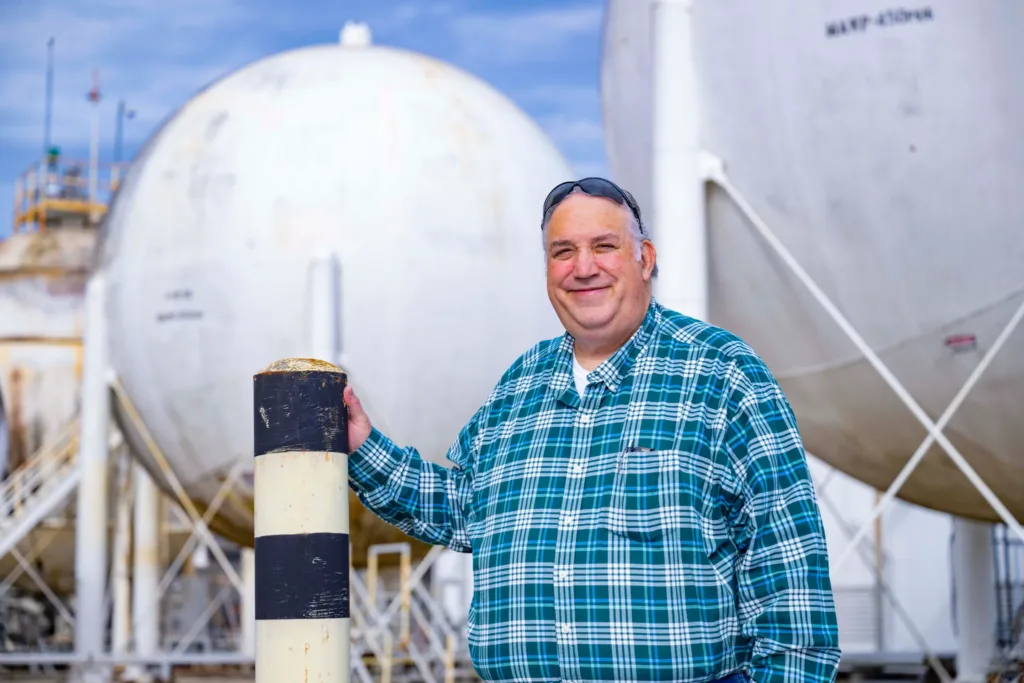
Jim Mirandy’s 30‑year career as a contractor at NASA’s Stennis Space Center has just taken a new turn: he’s now a civil servant. The change comes under a workforce directive that converts key contractors into permanent staff to preserve core competencies. Mirandy’s new role as a quality‑assurance specialist means he now serves as the center’s close‑call investigator, leads the Voluntary Protection Program, and sits on the Striving to Achieve Real Safety committee.
The stakes are high. Stennis is the nation’s largest rocket‑propulsion test site, and its work directly supports the Artemis program that aims to return astronauts to the Moon. Every test stand, every high‑pressure chamber, and every cryogenic system must operate flawlessly. Mirandy’s expertise—built over a decade of teaching high‑pressure and cryogenic training classes—ensures that safety protocols are not just written but lived.
The turn in Mirandy’s career highlights NASA’s strategy to keep critical knowledge in-house. By converting contractors like him, the agency avoids the risk of losing specialized skills when contracts end. The consequence is a more resilient workforce that can respond quickly to potential hazards. Our read: this conversion isn’t just a personnel shuffle; it’s a deliberate effort to embed safety culture into the civil service.
It signals that NASA values continuity over cost savings, especially as the Artemis program pushes the limits of propulsion technology.
Watch how this shift affects future missions.
If NASA can keep its seasoned experts on the payroll, the next lunar landing may be safer and more reliable.
The story so far
Earlier coverage connected by shared names and topics. Follow the dates to see how coverage developed; these links do not imply every article describes the same event.
 Blue Origin Extends New Glenn Reach With a Third Stage and New Engine
Blue Origin is expanding the architecture of its heavy-lift rocket program even as it recovers from recent flight failures and ground mishaps.…
Connected by: EngineEARLIER COVERAGE- NASA Chief Says Annual Moon Rocket Launches Are Non-Negotiable
NASA Administrator Jared Isaacman wants a big rocket to leave Earth for the moon every single year. Following April's Artemis II mission…
Connected by: ArtemisEARLIER COVERAGE - NASA Offers $500,000 to Build the Next Generation of Space Thrusters
NASA is turning to private industry to build the propulsion systems that could power future space exploration. The agency launched the Advanced…
Connected by: RocketEARLIER COVERAGE - When the Saturn V Shook Florida and Restored NASA's Hope
When NASA unleashed the Saturn V rocket for its maiden voyage on November 9, 1967, the sheer force caught onlookers entirely off…
Connected by: CenterEARLIER COVERAGE - NOWFrom Contractor to Civil Servant: NASA Keeps Its Rocket‑Propulsion Safety Engine RunningCURRENT UPDATE




Original publication: 16 November 2026 20:52