NASA, Boeing Share Update on Commercial Starliner Development Plans
On Monday, NASA and Boeing announced updates regarding the Starliner spacecraft, including plans to add fifth and sixth crew missions to the International Space Station and certify the Vulcan rocket following the final flight of the Atlas V.
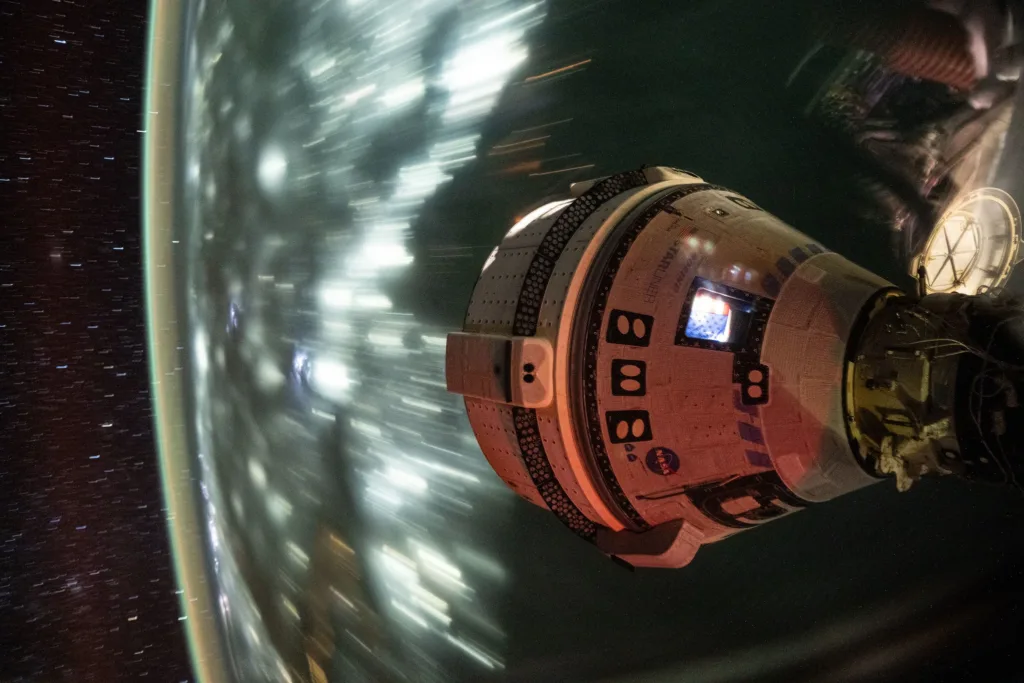
On Monday, NASA and Boeing announced updates regarding the Starliner spacecraft, including plans to add fifth and sixth crew missions to the International Space Station and certify the Vulcan rocket following the final flight of the Atlas V. NASA Administrator Jared Isaacman stated that the agency intends to return astronauts on Starliner-2 by 2028, following an uncrewed Starliner-1 mission scheduled for December of this year or January 2027.
This upcoming uncrewed flight will serve to validate improvements, gather flight data, and verify thermal environments. The updates follow findings released in February by an agency Program Investigation Team regarding technical issues during the 2024 Crew Flight Test, which resulted in 61 recommendations. Investigations determined that service module reaction control thrusters operated outside engineering qualifications due to thermal environments and design features, leading to poppet seal extrusion issues.
In response, Boeing has made thermal modifications to the service module and will implement an additional thruster valve design modification. Furthermore, Boeing will install new crew module thrusters and batteries, and make minor parachute system modifications to increase reliability and support system certification.
The story so far
Earlier coverage connected by shared names and topics. Follow the dates to see how coverage developed; these links do not imply every article describes the same event.
 NASA and Katalyst Space Gain Valuable Experience After Swift Observatory Boost Mission Fails to Raise Orbit
A commercial mission intended to boost NASA’s Neil Gehrels Swift Observatory concluded without raising the spacecraft’s orbit, but NASA and industry vendor…
Connected by: SpaceEARLIER COVERAGE- Scientists solve 1840s space weather mystery
Researchers publishing in the journal Space Weather have resolved a mystery regarding an 1841 report of a magnetic disturbance disrupting rail travel…
Connected by: SpaceEARLIER COVERAGE - NASA Armstrong Celebrates 80 Years of Flight Innovation
NASA’s Armstrong Flight Research Center in Edwards, California, is marking 80 years of flight innovation, tracing its origins to September 30, 1946,…
Connected by: AdministratorEARLIER COVERAGE - NOWNASA, Boeing Share Update on Commercial Starliner Development PlansCURRENT UPDATE