The moon could turn astronauts into 'walking, high voltage capacitors' that accidentally zap spacecraft
NASA has opened a competition seeking ideas to prevent static electricity from endangering astronauts and equipment during future moon missions. The agency launched the Lunar Grounding Challenge with a $150,000 prize pool, setting a submission deadline of Jan.
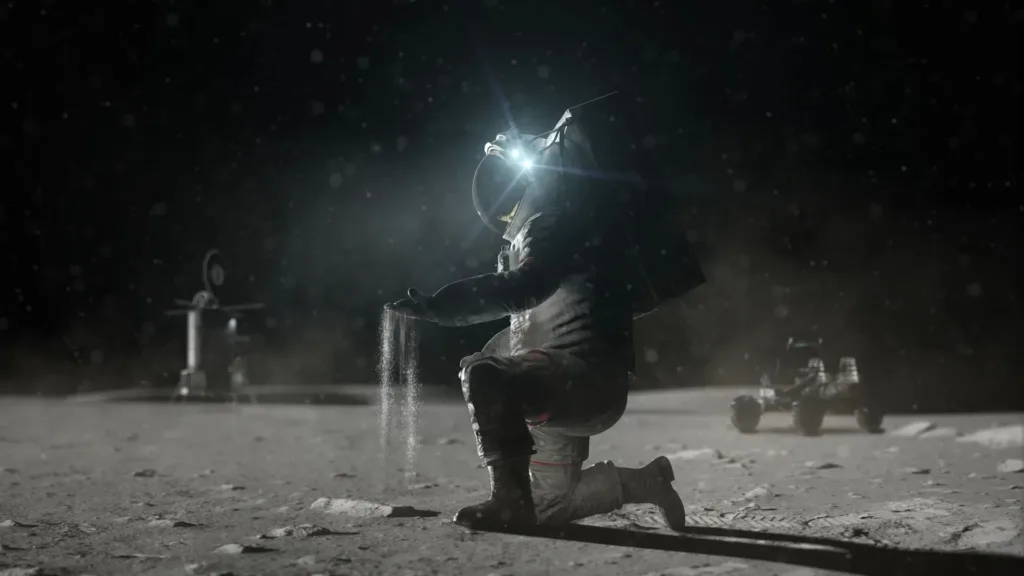
NASA has opened a competition seeking ideas to prevent static electricity from endangering astronauts and equipment during future moon missions. The agency launched the Lunar Grounding Challenge with a $150,000 prize pool, setting a submission deadline of Jan. 15. NASA aims to protect astronauts scheduled to land at the lunar south pole in 2028 during the Artemis 4 or 5 missions.
According to simulations, moving across the moon causes electric-charge buildup on spacesuits, particularly when workers enter permanently shadowed craters. This creates a risk of electrical arcs when a negatively charged astronaut approaches a slightly positive spacecraft. Such sparks could damage spacesuits, spark fires in the oxygen-rich spacecraft cabin, or shock the crew.
NASA wants lightweight, low-power solutions that operate across extreme temperature swings and survive up to four moonwalks over a ten-day period. Suspended lunar dust worsens the problem by allowing sparks to jump across larger gaps. The multi-phase challenge moves from initial concepts to design refinements and final selections.
NASA has not yet released a target date for deploying the finished technology.
WireUnWired turns the supplied report into a clearer brief, preserves the original publisher and author details, and adds relevant context without hiding where the information came from.
Relevant WireUnWired coverage is connected so one story can lead into the larger technology context.
Original publication: 12 October 2026 23:30