
New Forensic Analysis of Ancient Skulls Reveals Evidence Supporting Early Egyptian Retainer Sacrifice
Researchers have debated for a long time whether early Egyptian pharaohs used retainer sacrifice, burying servants and officials to serve them after death. A new paper in the journal Frontiers in Environmental Archaeology re-examines skulls dug up from tombs in the 1920s.
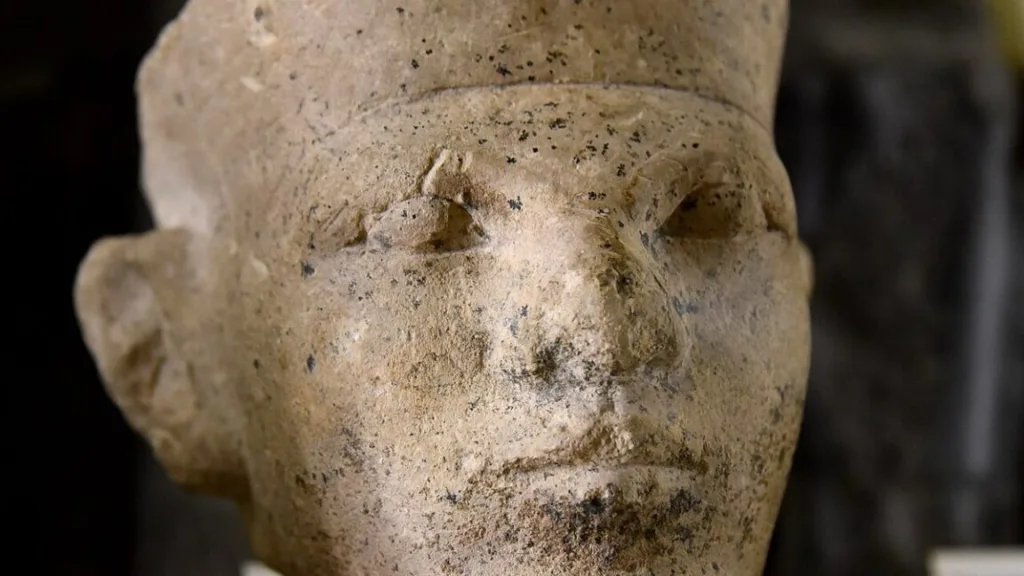
Researchers have debated for a long time whether early Egyptian pharaohs used retainer sacrifice, burying servants and officials to serve them after death. A new paper in the journal Frontiers in Environmental Archaeology re-examines skulls dug up from tombs in the 1920s. The study concludes that more than one-third of the skulls show signs of blunt force trauma.
This points to possible retainer sacrifice victims. Roselyn Campbell, a bioarchaeologist at Purdue University and author of the study, notes that older archaeological digs often left tombs plundered or hastily excavated. Campbell points out that older human remains are frequently incomplete or altered for preservation, which destroys important forensic details.
However, forensic science has advanced significantly over the past century, making a fresh look at the old bones useful for modern researchers.
Original publication: 5 October 2026 09:30