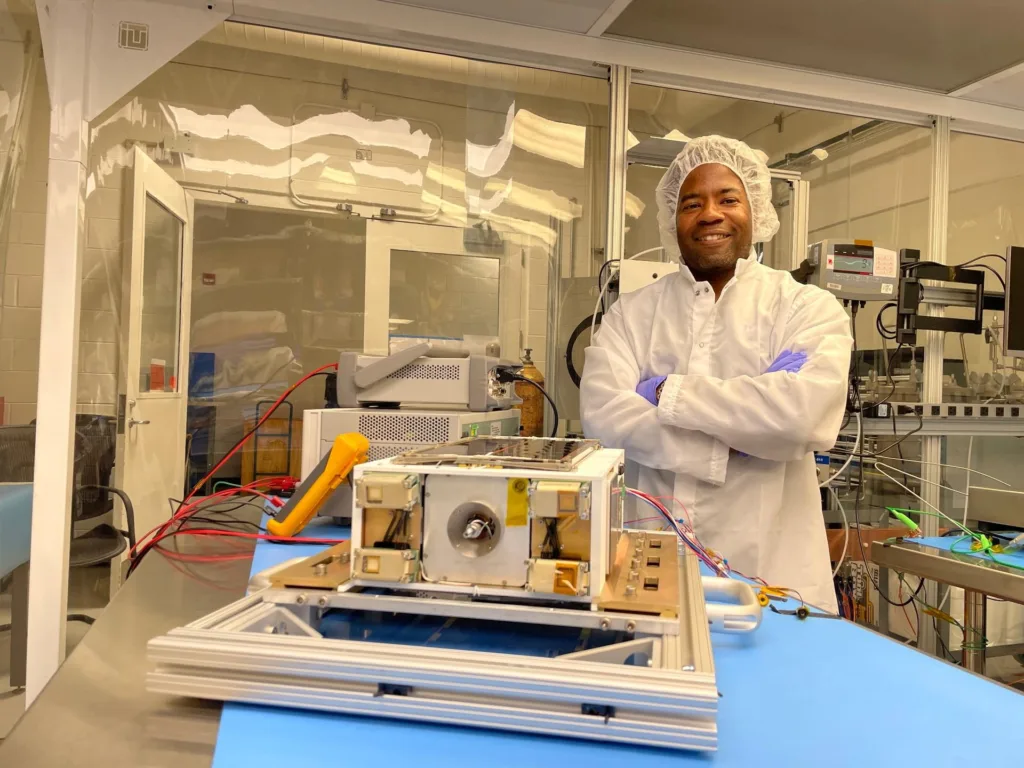
NASA Tests Dual Mode Propulsion CubeSat Ahead of Launch
EDITORIAL BRIEF IN PROGRESS
We are preparing or refreshing the WireUnWired brief for this story. Until it is ready, consult the original report for the full details.
Read the original source ↗STORY JOURNEY
The story so far
Earlier coverage connected by shared names and topics. Follow the dates to see how coverage developed; these links do not imply every article describes the same event.
 Autonomy‑1: The First Spacecraft Commanded by AI
Autonomy-1 will have a small, transformer-based AI model taking charge of a space probe.
Connected by: SpacecraftEARLIER COVERAGE- Europe Warns of Orbital Collisions as Startups Race to Clean Up Space
"I think we are going to lose the ability to use certain orbits."
Connected by: SpaceEARLIER COVERAGE - NOWNASA Tests Dual Mode Propulsion CubeSat Ahead of LaunchCURRENT UPDATE
MAKE THIS STORY EASIER TO UNDERSTAND
Help write the first WireUnwired brief.
Write a short, factual summary in your own words. Signed-in readers can vote on submissions, and a summary that clears the vote threshold can become the public brief automatically.
Think you can explain this story clearly?Sign in to write a brief →
SOURCE & ATTRIBUTION
NASA — Recently Published
RELATED STORIES