NASA Offers $500,000 to Build the Next Generation of Space Thrusters
NASA is turning to private industry to build the propulsion systems that could power future space exploration. The agency launched the Advanced Mid-Power Electric Rocket Challenge, known as AMPERE, to secure new Hall effect thruster prototypes.
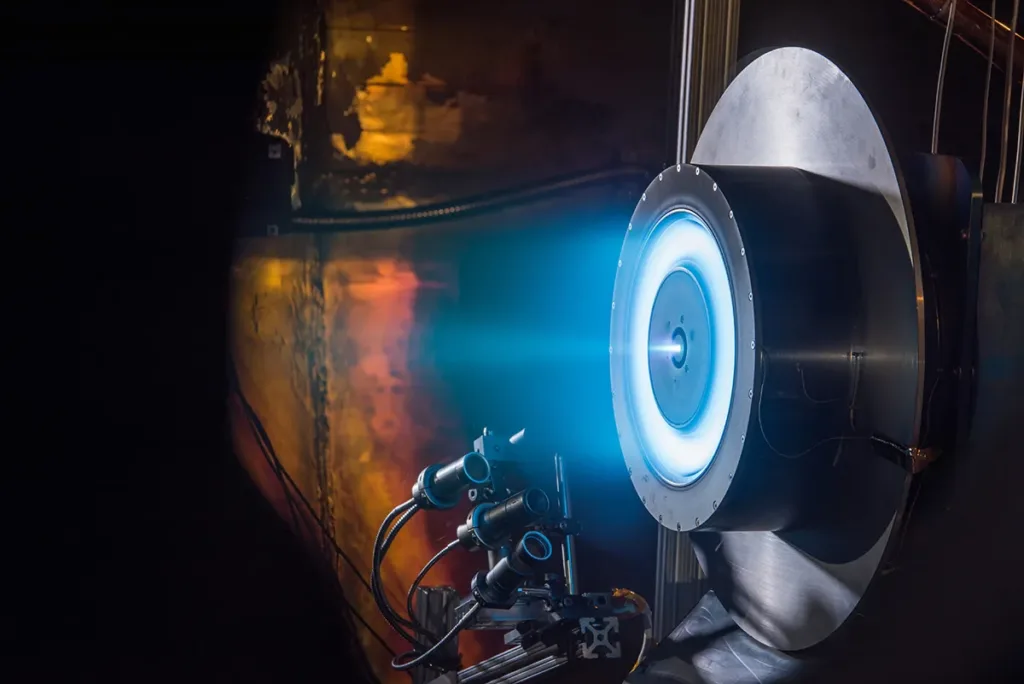
NASA is turning to private industry to build the propulsion systems that could power future space exploration. The agency launched the Advanced Mid-Power Electric Rocket Challenge, known as AMPERE, to secure new Hall effect thruster prototypes. These devices turn electricity and inert gas into the force needed to move a spacecraft.
Government and industry stakeholders have identified thrusters operating between 3 to 7 kilowatts as critical capabilities for defense, exploration, and satellite missions. To accelerate this technology, the challenge offers a total prize pool of 500,000 dollars split across up to two winning teams. Each winner can receive up to 250,000 dollars in cash along with access to NASA testing facilities and technology across three phases.
Our read suggests that by outsourcing hardware development to commercial firms, NASA is effectively crowdsourcing the heavy lifting for deep-space infrastructure. The challenge is open exclusively to companies incorporated and maintaining a primary place of business in the United States. Registration closes on January 27, 2027, leaving a tight window for commercial teams to step up and prove their hardware in agency test stands.
The story so far
Earlier coverage connected by shared names and topics. Follow the dates to see how coverage developed; these links do not imply every article describes the same event.
 How a Single NASA Mentor Shapes the Future of Space Flight
When Rice University student Malvika Bhardwaj asked her mentor if he had time to keep teaching interns amid a demanding workload, the…
Connected by: Next GenerationEARLIER COVERAGE- NASA Opens Applications for Next Generation of Moon and Mars Explorers
America is opening the door for its next wave of spacefarers. NASA has officially started accepting applications for its upcoming astronaut candidate…
Connected by: Next GenerationEARLIER COVERAGE - NASA Chief Skydives Into Kennedy Space Center to Launch Public Air Show
NASA Administrator Jared Isaacman traded his office desk for a parachute, plummeting above 10,000 spectators to open the agency's MAX POWER air…
Connected by: SpaceEARLIER COVERAGE - NASA Just Dropped a Roadmap for the Next Decade of Flight. Here is What Sticks.
NASA traded quiet lab updates for a high-altitude spectacle this November, parachuting Administrator Jared Isaacman into the agency's inaugural MAX POWER expo…
Connected by: SpaceEARLIER COVERAGE - NOWNASA Offers $500,000 to Build the Next Generation of Space ThrustersCURRENT UPDATE



Original publication: 9 November 2026 23:12