
Microsoft’s 12‑hour outage exposed a “fog of war” and a new one‑hour recovery target
Microsoft’s most disruptive Exchange outage ever began on November 12, when a Windows scalability defect—introduced in July—caused lock contention in gateway processes.
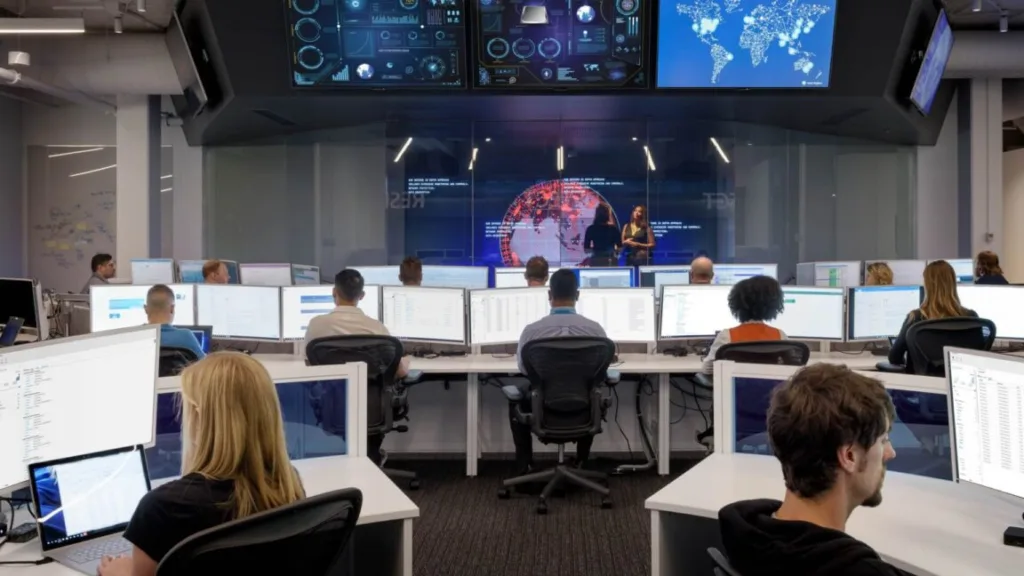
Microsoft’s most disruptive Exchange outage ever began on November 12, when a Windows scalability defect—introduced in July—caused lock contention in gateway processes. The defect, coupled with a Teams traffic fail‑over, overloaded infrastructure that already had 14 % of its gateway servers offline from maintenance. The result was a global loss of Exchange Online, Teams and Outlook for hours, the biggest customer impact in Exchange history.
During the chaos, responders exchanged more than 11,000 messages across 11 separate Teams chats. Diagnostic data was scattered, leaving engineers with a fractured view of the incident. The sheer volume of chatter and the lack of a unified dashboard slowed the team’s ability to isolate the root cause and deploy a fix.
In response, Microsoft’s leadership launched a Code Red overhaul. The new plan sets a one‑hour goal for moving from detection to safe worldwide deployment of urgent security fixes—a target the company admits it has not yet met. Five workstreams—load shedding, geographic traffic partitioning, and faster recovery mechanisms—are now in motion.
Our read: the company’s plan to deploy AI agents to sift through system‑health data could cut diagnosis time, but it also introduces a new layer of complexity.
If the AI misinterprets signals, it could delay or misdirect fixes, potentially extending outages.
Watch for whether Microsoft can hit the one‑hour resolution target and how the AI‑driven diagnostics perform in future incidents.
The outcome will shape how cloud giants balance speed, automation, and reliability in crisis response.
Sources & updates
AI-assisted brief based on the original reporting.
Original report: Ars Technica
Source published: 25 Nov 2026, 04:06
Image credit: Ars Technica
The story so far
Earlier coverage connected by shared names and topics. Follow the dates to see how coverage developed; these links do not imply every article describes the same event.
 SpaceX returns the first surviving Starship upper stage to its South Texas facility for engineering evaluation.
SpaceX has brought its Ship 40 upper stage back to its South Texas facility nearly three months after it became the first…
Connected by: JulyEARLIER COVERAGE- Phobos 2’s Final Shadow: Engineering Failure, Not Alien Craft
When Phobos 2 lost contact in March 1989, a strange elongated shadow in its final images sparked alien conspiracy theories. Launched July…
Connected by: JulyEARLIER COVERAGE - Watch November's Beaver Supermoon Rise Online Today
November's final full moon rises today, bringing a rare chance to watch a supermoon through robotic telescopes without stepping into the cold.…
Connected by: NovemberEARLIER COVERAGE - Tidal to Delete 27 Million AI Tracks in Total Ban
When labeling fails to stem a flood of synthetic tracks, streaming services face a stark choice. Tidal chose deletion, announcing it will…
Connected by: NovemberEARLIER COVERAGE - NOWMicrosoft’s 12‑hour outage exposed a “fog of war” and a new one‑hour recovery targetCURRENT UPDATE




Original publication: 25 November 2026 04:06