Fermi Data + Cryptography Algorithm Finds Pulsars 60,000x Faster
A single pulsar spun 261 times per second, but finding it in Fermi’s data took only 10 hours on a laptop, a speedup that would have taken a standard processor 600 years. The breakthrough came from turning the search into a geometry problem.
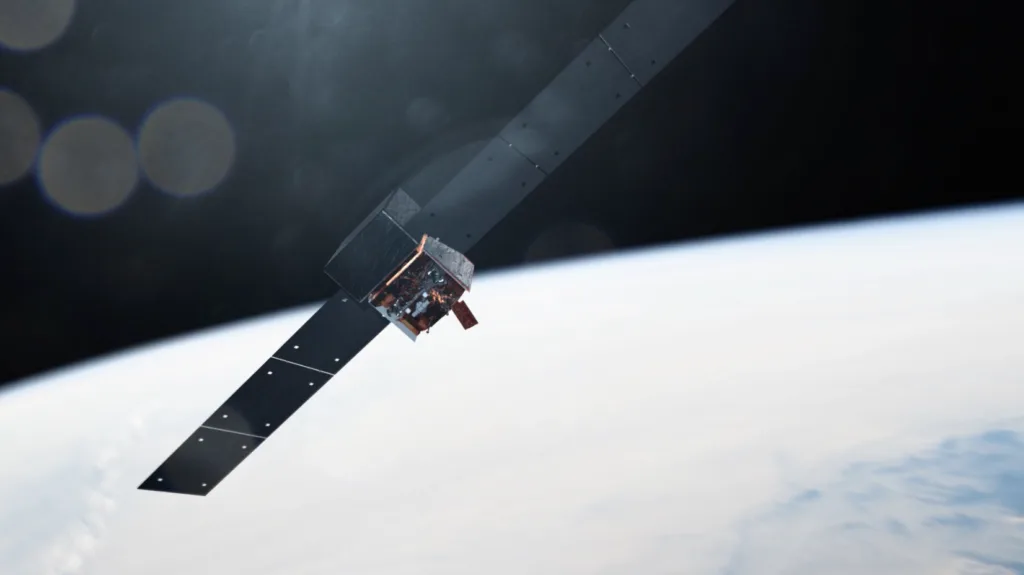
A single pulsar spun 261 times per second, but finding it in Fermi’s data took only 10 hours on a laptop, a speedup that would have taken a standard processor 600 years. The breakthrough came from turning the search into a geometry problem. Researchers used a lattice‑based algorithm, originally designed to crack quantum‑resistant encryption, to hunt for the shortest vector in a high‑dimensional grid.
Each trial ran in about five minutes on a single core, a task that would have been impossible with the brute‑force approach that split the data into tiny chunks and relied on volunteers’ computers. The result was the discovery of PSR J1622−7204, an isolated pulsar that spins 261 times per second.
The new method found it using only 10 hours of computing, whereas the previous best technique would have required 600 years on the same hardware. This leap opens the door to a flood of unseen pulsars in the 18 years of Fermi data, but it still leaves binary systems—where a companion star distorts the signal—out of reach.
Our read is that the marriage of open data and cryptographic algorithms can turn a decades‑old bottleneck into a rapid discovery pipeline.
By combining the lattice method with crowdsourced computing from the Einstein@Home program, the team hopes to unearth dozens, perhaps hundreds, of pulsars that have been hiding in plain sight.
The next frontier is binary pulsars, whose gravitational dance has kept them invisible to traditional searches.
If the new algorithm can be adapted to account for the extra variables, it could finally reveal the hidden population that astronomers suspect exists.
Keep an eye on Fermi’s public archive and the upcoming papers—each new pulsar is a new laboratory for testing the limits of physics.
The story so far
Earlier coverage connected by shared names and topics. Follow the dates to see how coverage developed; these links do not imply every article describes the same event.
 NASA Turns Baby Star Data Into Soundscapes
Starlight usually travels across space silently, but a new project turns cosmic data into audio. NASA’s Chandra X-ray Observatory released four new…
Connected by: DataEARLIER COVERAGE- NASA’s Space Apps Hackathon Draws Record Crowds With Global Data
Nearly two hundred thousand people just spent two days tackling planetary problems using government data. NASA reports that its annual Space Apps…
Connected by: DataEARLIER COVERAGE - Voyager 1’s Light‑Day Milestone: Why It’s a Decade Ahead of Its Twin
Voyager 1 will soon be a full light‑day from Earth, meaning a signal will take 24 hours to return. At 16 billion miles (25 billion km)…
Connected by: NASAEARLIER COVERAGE - NASA Data Clinches First-of-Its-Kind Stellar Merger
An unusual variable star in the Andromeda galaxy erupted in 2025, giving researchers a rare chance to watch a stellar collision unfold…
Connected by: DataEARLIER COVERAGE - NOWFermi Data + Cryptography Algorithm Finds Pulsars 60,000x FasterCURRENT UPDATE




Original publication: 19 November 2026 21:03