
Explaining Hall-effect, TMR, and other new types of "mechanical" switches
Over the past six years, non-mechanical contactless keyboard switches have grown increasingly common. These include optical switches, Hall-effect switches, and tunnel magnetoresistance (TMR) switches.
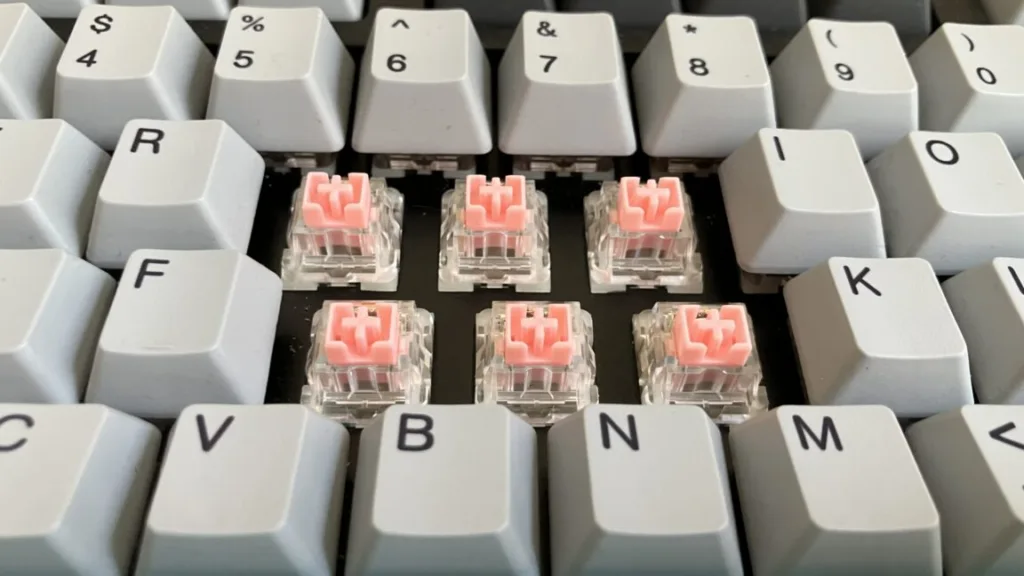
Over the past six years, non-mechanical contactless keyboard switches have grown increasingly common. These include optical switches, Hall-effect switches, and tunnel magnetoresistance (TMR) switches. Unlike traditional mechanical keyboards that rely on physical contact between two metal leaves, contactless switches register inputs using light beams or magnets. Manufacturers state that contactless switches last longer, avoid oxidation and corrosion, and feel smoother because no metal parts touch.
They appeal strongly to gamers because they do not require debouncing, which reduces input delay. Optical switches use an infrared light beam and sensor mounted on the printed circuit board. Hall-effect switches rely on magnetic sensors to detect voltage changes as a key moves. Introduced in 2024, TMR switches also use magnets but employ a distinct sensor type with two thin-film ferromagnetic layers.
This design can provide longer battery life than a comparable Hall-effect keyboard. Contactless switches require specific printed circuit boards and are harder to find in hot-swappable formats. Reviewers have noted that adjustable actuation features can vary slightly from user-set distances.
Original publication: 5 October 2026 16:30
 Ars TechnicaNHTSA Probes Comma.ai After Fatal Crashes
 Ars TechnicaNew Forensic Analysis of Ancient Skulls Reveals Evidence Supporting Early Egyptian Retainer Sacrifice
 Ars TechnicaInternational Energy Agency Reports Global Progress Toward Electrification While Highlighting Remaining Transition Challenges