
Controlling the brain with light earns a physiology Nobel
Karl Deisseroth, Peter Hegemann, and Georg Nagel have been awarded the Nobel Prize in Physiology or Medicine for developing optogenetics, a technique that uses light to control nerve cell behavior.
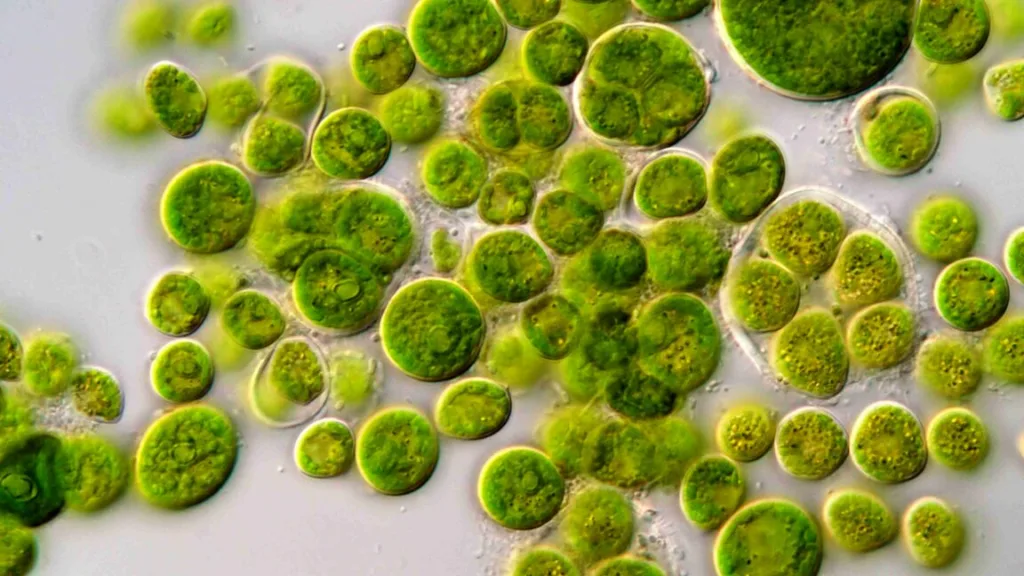
Karl Deisseroth, Peter Hegemann, and Georg Nagel have been awarded the Nobel Prize in Physiology or Medicine for developing optogenetics, a technique that uses light to control nerve cell behavior. The field traces back to single-celled algae called *Chlamydomonas*, where Hegemann and his coworkers identified light-activated ion channels.
Nagel later showed that genes encoding these proteins could function in developing frog embryos, cultured human cells, and the neurons of the worm *C. elegans*. Deisseroth and his team at Stanford University subsequently proved that channelrhodopsins work in mammalian neurons, triggering nerve impulses and enabling researchers to activate or selectively shut down nerve cells using compact light sources and fiber optics.
Optogenetics has revolutionized neuroscience by allowing scientists to study brain functions such as memory storage, sleep cycles, and maternal care, and has even been used to restore limited light sensing in a blind patient.
Original publication: 5 October 2026 23:29
 Ars TechnicaRussian Jet-Powered Drones Exploit Air Defense Gaps to Strike Data Centers and Disrupt Ukrainian Internet Services
 Ars TechnicaF1 in Bahrain… in Malaysia: The race needed a software update to start
 Ars TechnicaNorway Proposes Temporary Ban on AI Glasses in Selected Public Places Over Privacy Concerns