
From Contractor to Civil Servant, A Quality Engineer Fuels NASA's Return to the Moon
Miles of driving and decades of dedication brought Kristie Foster inside the gates of NASA's Stennis Space Center. Now a civil servant quality engineer, she manages quality assurance at America's largest rocket propulsion test site.
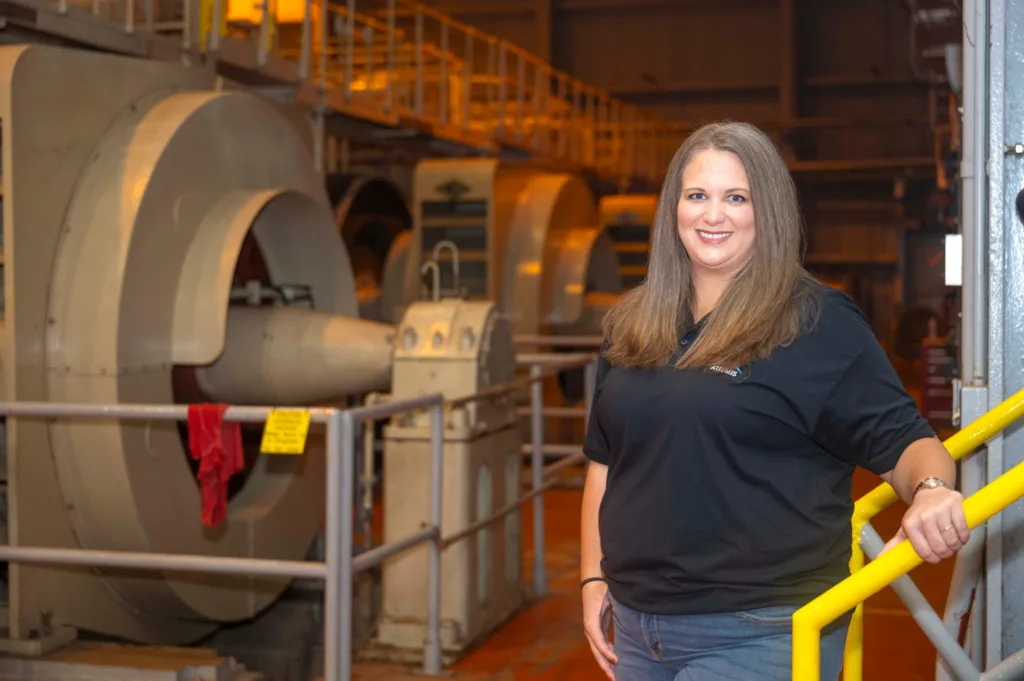
Miles of driving and decades of dedication brought Kristie Foster inside the gates of NASA's Stennis Space Center. Now a civil servant quality engineer, she manages quality assurance at America's largest rocket propulsion test site. Her daily work focuses on the High Pressure Gas Facility and the High Pressure Industrial Water Facility. These critical hubs rely on a seven-mile pipeline and a sixty-six-million-gallon reservoir to supply propulsion testing.
Foster also supports safety build-ups at the Thad Cochran Test Stand where Blue Origin prepares for New Glenn rocket testing. This hiring reflects a broader NASA directive to restore core technical competencies within the federal workforce. Our read suggests that securing long-term institutional knowledge through former contractors protects complex propulsion programs from talent drain. Foster previously spent sixteen years working as a contractor at the Mississippi facility before her transition in June.
Her journey began with community college classes and internships with the United States Navy before finishing her degree at Mississippi State University. She now balances her demanding aerospace career with managing a farm and raising a twelve-year-old son in Poplarville. This multi-generational legacy continues as her father also retired from Stennis last year after twenty years of service. That personal history grounds her role in the wider push to return American astronauts to the lunar surface.
Watch for how NASA's civil service conversion strategy stabilizes technical oversight as commercial partnerships expand across Stennis test stands.
Sources & updates
AI-assisted brief based on the original reporting.
Original report: NASA — Recently Published
Image credit: NASA — Recently Published
The story so far
Earlier coverage connected by shared names and topics. Follow the dates to see how coverage developed; these links do not imply every article describes the same event.
 Celebrate International Observe the Moon Night with NASA
Four humans circled the Moon in April for the first time in over 50 years. That return flight set the stage for…
Connected by: NASAEARLIER COVERAGE- NASA Invites Media to International Observe the Moon Night
NASA is turning a global lunar celebration into a local briefing ground. The agency will host an International Observe the Moon Night…
Connected by: NASAEARLIER COVERAGE - NASA’s Moon Orbiter Spots New, ‘Once-in-Century’ Moon Crater
During a routine data-quality check, Robert Wagner, a scientist with NASA’s Lunar Reconnaissance Orbiter (LRO), was scanning a giant Moon map on…
Connected by: NASAEARLIER COVERAGE - NASA Welcomes Albania as Newest Artemis Accords Signatory
Albania just became the seventy-third nation to sign the Artemis Accords. NASA Deputy Administrator Matt Anderson welcomed the country during a ceremony…
Connected by: WelcomesEARLIER COVERAGE - NOWFrom Contractor to Civil Servant, A Quality Engineer Fuels NASA's Return to the MoonCURRENT UPDATE