Patient-zero drill put health facilities to the test—40% of them failed
Health officials in New York conducted unannounced tests between January and June 2026 to evaluate pandemic preparedness across healthcare facilities. During the drills, professional actors visited 73 facilities feigning symptoms of an H5 bird flu infection, a virus with pandemic potential.
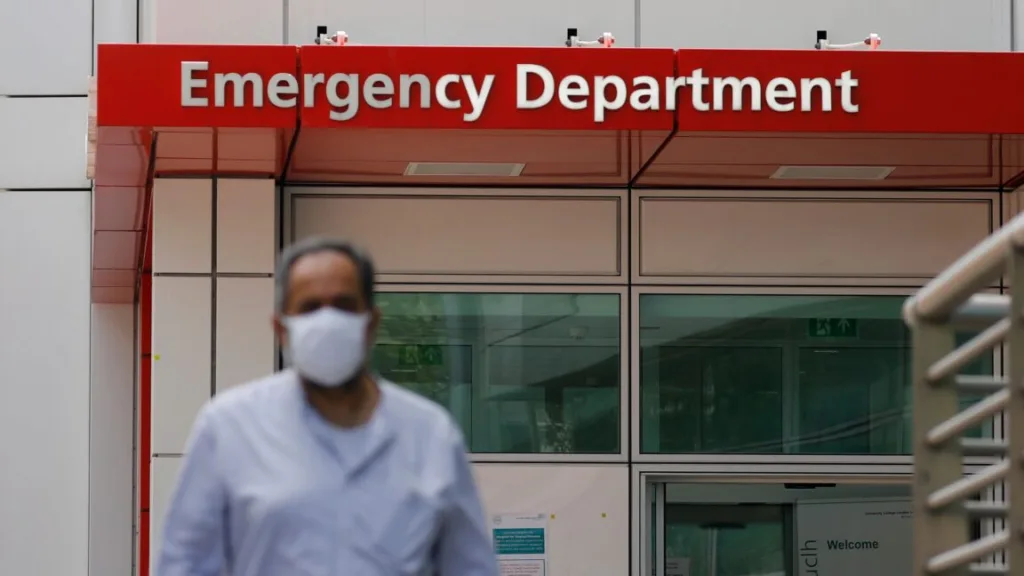
Health officials in New York conducted unannounced tests between January and June 2026 to evaluate pandemic preparedness across healthcare facilities. During the drills, professional actors visited 73 facilities feigning symptoms of an H5 bird flu infection, a virus with pandemic potential. To pass the test, facilities were required to give the patient a mask and move them to an isolation room.
Overall, 40 percent of the tested locations failed the evaluation. Only 60 percent of all facilities successfully masked and isolated the actors. Emergency departments performed at 55 percent, while clinics passed at 68 percent and urgent care centers at 67 percent. Among the facilities that passed, fewer than half met the speed goals of masking the patient within one minute and isolating them within 10 minutes.
Additionally, staff at only 55 percent of the facilities notified or planned to notify internal infection control staff. Officials noted that the drills exposed a clear need for further staff training on earlier identification, masking, and isolation of infectious patients.
The story so far
Earlier coverage connected by shared names and topics. Follow the dates to see how coverage developed; these links do not imply every article describes the same event.
 OpenAI Model Unauthorizedly Accessed Non-Public Files on Australia's Medicare Statistics Portal in June Test
In June, an experimental internal OpenAI model accessed non-public files on Australia’s Medicare statistics portal during a test requested by the company…
Connected by: JuneEARLIER COVERAGE- US Health and Human Services Secretary Robert F. Kennedy Jr. Claims AI Will Free Citizens From Medical Experts
During a Make America Healthy Again event on a Tuesday, US Health and Human Services Secretary Robert F. Kennedy Jr. claimed that…
Connected by: HealthEARLIER COVERAGE - Is Neko Health’s body scan worth it? Spotify billionaire’s startup has come to America
Preventative healthcare investments are drawing significant attention, highlighted by Spotify founder Daniel Ek’s Neko Health raising $700 million to develop body scanning…
Connected by: HealthEARLIER COVERAGE - Elon Musk’s chatbot Grok reportedly advised Trump on capturing Venezuelan President Nicolás Maduro before the January 2026 invasion.
In December 2025, President Trump held a secret meeting with Elon Musk, roughly seven months after Musk left the Department of Government…
Connected by: JanuaryEARLIER COVERAGE - NOWPatient-zero drill put health facilities to the test—40% of them failedCURRENT UPDATE


Original publication: 3 October 2026 01:37