NASA Wants K-12 Students to Design Nuclear Moon Bases
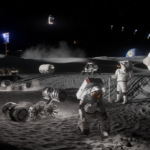
Children across the United States can now design nuclear-powered lunar bases for NASA. The agency launched its Power to Explore Student Challenge on Tuesday, November 17, inviting kindergarten through 12th-grade students to learn about space nuclear systems.

Children across the United States can now design nuclear-powered lunar bases for NASA. The agency launched its Power to Explore Student Challenge on Tuesday, November 17, inviting kindergarten through 12th-grade students to learn about space nuclear systems. Deep craters and long nights on the Moon face freezing temperatures that block sunlight.
Nuclear power could keep instruments warm and sustain human life in these harsh, resource-rich locations, according to Carl Sandifer, a program manager for NASA's Space Reactors Division. Students must submit a 200-word essay detailing a personal superpower alongside an original illustration of a nuclear-powered lunar base. These entries must incorporate radioisotope and fission-based power solutions to show an understanding of space energy.
Our read suggests that engaging students early helps build a future workforce comfortable with space nuclear infrastructure. Submissions remain open until March 1, 2027. Grand prize winners in three grade-level categories will earn a trip for two to NASA's Glenn Research Center in Cleveland.
The story so far
Earlier coverage connected by shared names and topics. Follow the dates to see how coverage developed; these links do not imply every article describes the same event.
 How Student Labs Are Fueling NASA’s Return to the Moon
When NASA leadership visits university campuses, the agency usually talks down to the next generation. A recent nationwide tour flipped that script…
Connected by: StudentsEARLIER COVERAGE- NASA Hands Student Designers $1 Million to Solve the Real Problems of Living on the Moon
High school and college students can now win a share of $1 million by designing the infrastructure astronauts need to survive on…
Connected by: ChallengeEARLIER COVERAGE - NASA Commits Billions to Build a Moon Base Before Astronauts Return
NASA wants a working moon base for astronauts by 2032, and it is spending billions to build the logistics before anyone lands.…
Connected by: NASAEARLIER COVERAGE - NASA Wants Students to Solve Its Toughest Lunar Base Problems for Cash
NASA is crowdsourcing the future of lunar habitation by turning to classrooms across the country. The agency just launched a multi-phase competition…
Connected by: ChallengeEARLIER COVERAGE - NOWNASA Wants K-12 Students to Design Nuclear Moon BasesCURRENT UPDATE


Original publication: 18 November 2026 03:32