NASA Delays Artemis III to 2027 for Orbit Tests of Blue Origin and SpaceX Landers
NASA plans to launch the 14-day Artemis III mission in 2027 to test human landing systems in low Earth orbit before attempting a crewed lunar landing near the Moon’s South Pole in 2028.

NASA plans to launch the 14-day Artemis III mission in 2027 to test human landing systems in low Earth orbit before attempting a crewed lunar landing near the Moon’s South Pole in 2028. The mission will send four astronauts—Randy Bresnik, Frank Rubio, Andre Douglas, and ESA astronaut Luca Parmitano—aboard the Orion spacecraft using three separate rockets.
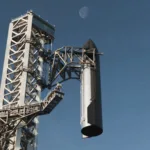
During the flight, the crew will conduct two separate docking demonstrations. First, Orion will rendezvous and dock with a test version of Blue Origin’s Blue Moon Mark 2 lander, allowing astronauts to spend about two days evaluating the cabin environment, life-support systems, and controls. Afterward, Orion will undock and perform a second rendezvous with a SpaceX Starship Version 3 test article to evaluate docking dynamics and communications systems without crew entry.
According to NASA Artemis program manager Jeremy Parsons, launching three spacecraft on three different rockets to operate together is an unprecedented effort designed to reduce operational risk. The mission also includes up to five remaining days in orbit for suit evaluations, health-related assessments, science demonstrations, and preparing for a Pacific Ocean splashdown.
The story so far
Earlier coverage connected by shared names and topics. Follow the dates to see how coverage developed; these links do not imply every article describes the same event.
 NASA Outlines Progress on Artemis Moon Base Rovers Ahead of Scheduled 2027 and 2028 Launches
NASA has released a video update detailing the progress of commercial robotic and crewed rovers designed for future lunar exploration. These vehicles…
Connected by: Blue Moon MarkEARLIER COVERAGE- NASA Outlines SpaceX and Blue Origin Lunar Lander Timelines Ahead of Artemis III Mission in 2027
NASA has outlined upcoming development timelines for SpaceX and Blue Origin as both aerospace companies work to ready their lunar landers for…
Connected by: Artemis III MissionEARLIER COVERAGE - NASA Test Fires Developmental RS-25 Engine for Nearly Eight and a Half Minutes at Stennis Space Center
NASA tested developmental RS-25 engine No. 10001 on the Fred Haise Test Stand at the Stennis Space Center near Bay St. Louis,…
Connected by: ArtemisEARLIER COVERAGE - Artemis II Astronaut Reveals False Cabin Leak Warning Nearly Derailed NASA Moon Mission on April 2
NASA’s Artemis II astronauts nearly missed a historic lunar burn on April 2 when an unexpected cabin leak warning forced a tense…
Connected by: ArtemisEARLIER COVERAGE - NOWNASA Delays Artemis III to 2027 for Orbit Tests of Blue Origin and SpaceX LandersCURRENT UPDATE


Original publication: 24 October 2026 04:07