
MIT Researchers Develop SANDO Navigation System to Keep Flying Robots Safe From Moving Obstacles
Researchers at the Massachusetts Institute of Technology have built a new navigation system that guides flying robots safely past moving objects in unknown areas. The system plans flight paths for uncrewed aerial vehicles that are mathematically proven to avoid collisions.
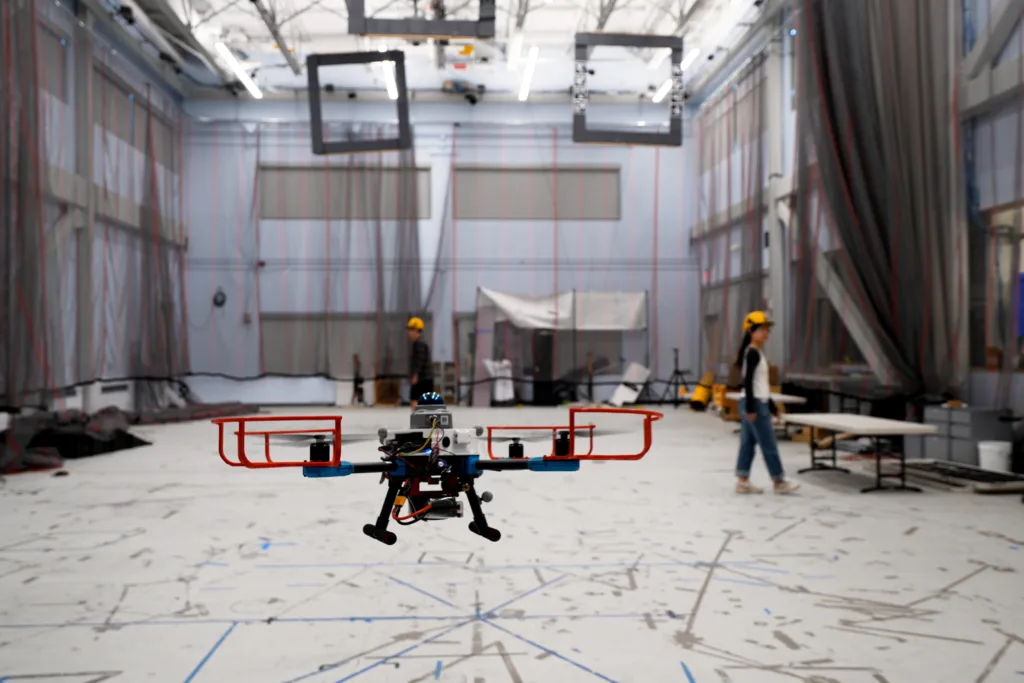
Researchers at the Massachusetts Institute of Technology have built a new navigation system that guides flying robots safely past moving objects in unknown areas. The system plans flight paths for uncrewed aerial vehicles that are mathematically proven to avoid collisions. The system is called SANDO, which stands for Safe AutoNomous trajectory planning for Dynamic unknOwn environments.
SANDO uses onboard cameras and sensors to map a safe corridor through space while tracking the maximum speed of moving hazards. It also uses a heat map to steer the robot away from danger zones and finds the fastest path to a goal. In tests, SANDO successfully avoided all moving obstacles in simulations and during 12 test flights with a real robot.
The research team plans to make the system more efficient and combine it with machine-learning tools in the future.
WireUnWired turns the supplied report into a clearer brief, preserves the original publisher and author details, and adds relevant context without hiding where the information came from.
Relevant WireUnWired coverage is connected so one story can lead into the larger technology context.
Original publication: 7 October 2026 09:30
 NASA — Recently PublishedNASA Researchers Develop New Solid-State Batteries to Support Artemis Campaign on the Moon's South Pole
 Ars TechnicaResearchers use artificial intelligence to design new enzymes capable of cleaving specific target proteins.
 Space.comWatch SpaceX deliver more than 6,000 pounds of cargo to the ISS today