The Moon’s South Pole: NASA’s Step‑by‑Step Path to a Lunar Outpost
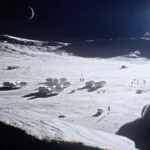
If the Moon were a desert, the South Pole would be its oasis. NASA’s first lunar outpost will sit where the Sun hangs low, giving some craters months of light while others stay in eternal shadow.

If the Moon were a desert, the South Pole would be its oasis. NASA’s first lunar outpost will sit where the Sun hangs low, giving some craters months of light while others stay in eternal shadow. The stakes are high: the base must generate power, protect crews from extreme temperatures, and harvest water ice that could sustain life.
The South Pole was chosen for its lighting conditions and scientific promise. Areas that stay in the Sun for long stretches can power solar arrays, while permanently shadowed craters may hold frozen water. Compared to the equatorial Moon, where a 14‑day cycle brings scorching heat and deep cold, the pole’s uneven sun exposure offers both energy and a potential water source.
NASA is tackling the risk in three phases. Phase One, underway now, sends robotic landers and terrain vehicles to test landing techniques and map the terrain. Phase Two, slated for 2029‑2032, will install power, cargo, and communications hardware across multiple sites, creating a scaffold for expansion. Phase Three will assemble the permanent outpost where astronauts will live and work.
Key explorers include the VIPER rover, which will travel over 15 miles in shadowed craters to search for ice, and the nuclear‑powered PROMISE rover, built from Mars‑rover hardware, to probe subsurface resources.
Lunar terrain vehicles and propulsive drones will map hard‑to‑reach areas, guiding future Artemis landing sites.
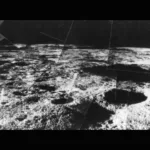
The Moon’s harsh environment poses three main challenges: temperatures swing from 130°F in sunlight to –334°F in shadow; regolith dust, sharp and abrasive, can damage suits and equipment; and the uneven terrain, with steep slopes and deep craters, makes navigation risky.
NASA’s focus on dust‑containment and terrain‑mapping technologies signals how the agency is preparing for future Mars missions.
Our read: NASA’s phased, technology‑driven approach reduces risk by learning on the ground before committing crews.
The real test will be how well the dust‑mitigation systems hold up under the Moon’s relentless regolith.
Watch how NASA’s dust‑containment tech evolves—its success could be the key to keeping astronauts safe on Mars.
The story so far
Earlier coverage connected by shared names and topics. Follow the dates to see how coverage developed; these links do not imply every article describes the same event.
 NASA Rebuilds Its Lunar Playbook Around Commercial Freight and Spare Parts
NASA is trading custom spacecraft for off-the-shelf logistics. The agency expanded its commercial delivery framework and awarded billions in new contracts to…
Connected by: SouthEARLIER COVERAGE- NASA Commits Billions to Build a Moon Base Before Astronauts Return
NASA wants a working moon base for astronauts by 2032, and it is spending billions to build the logistics before anyone lands.…
Connected by: MoonEARLIER COVERAGE - NASA Wants Students to Solve Its Toughest Lunar Base Problems for Cash
NASA is crowdsourcing the future of lunar habitation by turning to classrooms across the country. The agency just launched a multi-phase competition…
Connected by: LunarEARLIER COVERAGE - Surveyor 6’s 1967 Moon Hop Proves Lunar Liftoff, Paving Way for Apollo
On Nov. 17, 1967, a tiny probe on the moon lifted off, proving a concept that would carry astronauts home. NASA’s Surveyor…
Connected by: LunarEARLIER COVERAGE - NOWThe Moon’s South Pole: NASA’s Step‑by‑Step Path to a Lunar OutpostCURRENT UPDATE

Original publication: 18 November 2026 23:06