SpaceX is about to try catching a rocket's upper stage for the first time
SpaceX launched its 15th Starship test flight from South Texas, aiming for an unprecedented double-catch using its launch tower chopstick arms.
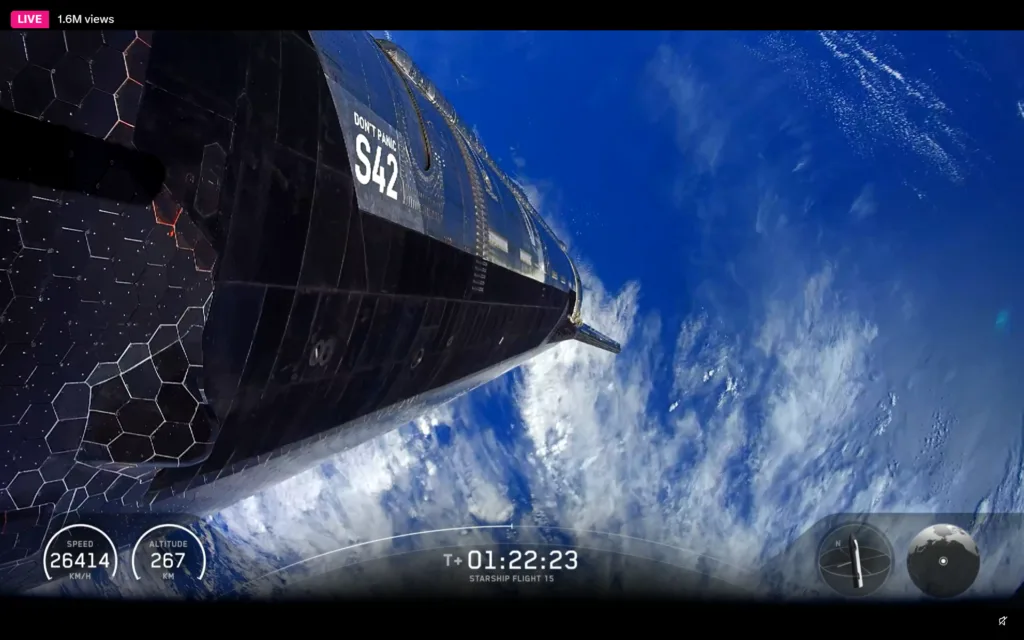
SpaceX launched its 15th Starship test flight from South Texas, aiming for an unprecedented double-catch using its launch tower chopstick arms. That ambitious plan hit an early snag when the Super Heavy booster diverted to a controlled splashdown in the Gulf of Mexico just minutes after liftoff, leaving the reasons for the diversion unclear.
But the mission's secondary objective remains alive. SpaceX still plans to attempt the first-ever mid-air catch of the Ship upper stage, turning a missed full-stack recovery into a historic standalone test. Catching an orbital-class upper stage requires extreme precision, which explains why the maneuver has never been tried before.
If ground teams detect any off-nominal behavior from the vehicle, they will scrap the attempt just as they did with the booster. That cautious approach protects expensive infrastructure, but it also leaves success dependent entirely on real-time telemetry. Our read is that missing the booster catch matters less for engineering data than proving the upper-stage maneuver, because rapid reflight depends entirely on whether the Ship can survive reentry and return intact.
Beyond testing hardware limits, the flight deployed 26 next-generation Starlink V3 broadband satellites to orbit, matching the payload milestone set by the previous flight.
Those payloads point directly toward SpaceX's long-term vision of assembling vast megaconstellations that dwarf the current operational network of about 11,000 spacecraft.
Building out planned networks like the million-spacecraft Starmind AI constellation requires a launch cadence that traditional refurbishment schedules cannot support.
Quick tower catches eliminate weeks of transport and teardown, enabling the rapid inspection cycles that make high-frequency reflight possible.
Watch whether today's upper-stage attempt succeeds or aborts, because that single outcome dictates how fast SpaceX can scale its orbital infrastructure.
The story so far
Earlier coverage connected by shared names and topics. Follow the dates to see how coverage developed; these links do not imply every article describes the same event.
 SpaceX Preps Starship Flight 15 for First-Ever Full Orbital Rocket Recovery
SpaceX is attempting the first full recovery of an orbital rocket in history during its upcoming Starship Flight 15 mission. The 15th…
Connected by: Super HeavyEARLIER COVERAGE- SpaceX Attempts First Dual Tower Catch in Starship Flight 15 Test
Catching a towering orbital rocket booster out of the air once was a bold spectacle. Doing it twice in a single mission…
Connected by: Super HeavyEARLIER COVERAGE - SpaceX Bets Big on Douglas Adams and a Double-Catch Starship Test
A familiar sci-fi motto now adorns SpaceX's newest megarocket ahead of a historic milestone. Scrawled on the side of Ship 42, the…
Connected by: StarshipEARLIER COVERAGE - SpaceX Starship Preps For Historic Upper-Stage Return After Booster Catch Is Scrapped
SpaceX launched its 15th Starship test flight on Nov. 13 from South Texas, pushing the megarocket into low Earth orbit while aborting…
Connected by: South TexasEARLIER COVERAGE - NOWSpaceX is about to try catching a rocket's upper stage for the first timeCURRENT UPDATE

Original publication: 14 November 2026 18:30