Google's DeepMind unveils SynthIDBio watermarking technology for AI-designed proteins to enhance biosecurity screening.
On Wednesday, September 30, 2026, Google’s DeepMind team published a research paper in Nature detailing a new biosecurity solution: watermarking AI-designed proteins.
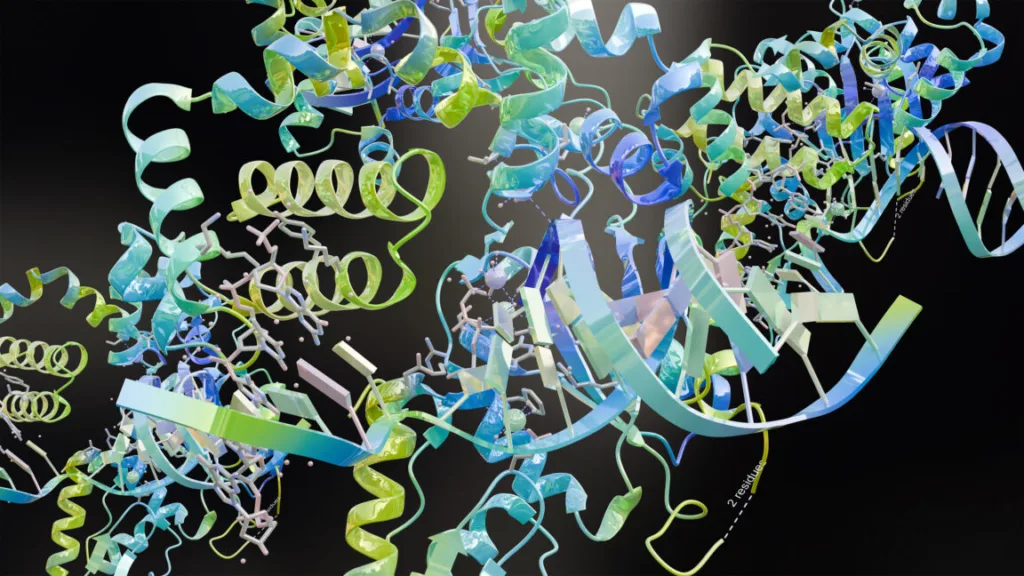
On Wednesday, September 30, 2026, Google’s DeepMind team published a research paper in Nature detailing a new biosecurity solution: watermarking AI-designed proteins. Based on Google’s SynthID technology, a variant called SynthIDBio integrates with ProteinMPNN, a popular AI protein design tool developed by the Baker Lab. The system uses a cryptographic-like key during the protein design process to suggest specific amino acids, incorporating them when they remain consistent with forming a functional protein.
This embeds a watermark distributed randomly across the protein's length without compromising its function. Google also developed the software required to scan sequences and measure watermark frequency using the key. Intended to aid biosecurity and threat-screening processes, the system allows DNA synthesizers to quickly identify AI-designed proteins originating from trusted organizations like universities and major biotech companies, enabling them to focus resources on unverified sources.
However, researchers noted limitations, including vulnerability to key distribution security, potential issues with very short proteins, sequence padding, and integration hurdles with other protein design software packages that do not use ProteinMPNN.
WireUnWired turns the supplied report into a clearer brief, preserves the original publisher and author details, and adds relevant context without hiding where the information came from.
Relevant WireUnWired coverage is connected so one story can lead into the larger technology context.
Original publication: 30 September 2026 21:24