India Banned Foreign Drones But Still Imports 45-55% of Critical Components—Here’s Why
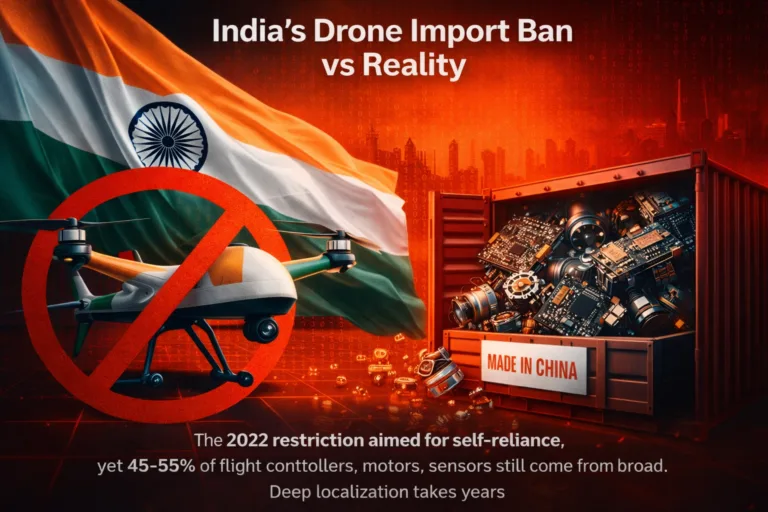
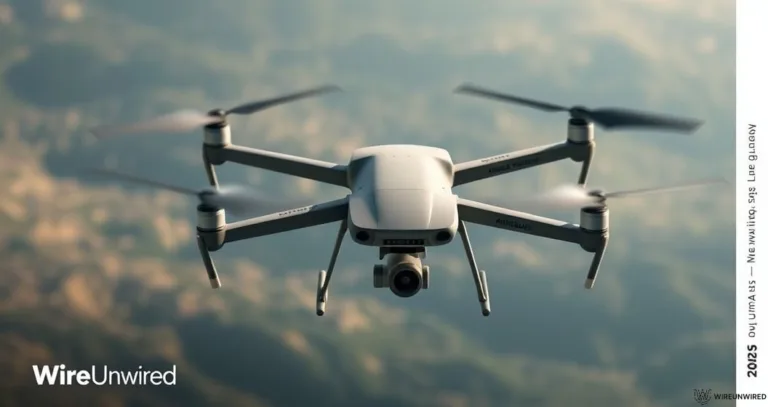
India's 2022 drone import ban aimed for self-reliance. Reality: 45-55% of flight controllers, motors, sensors still imported. Deep localization takes years

WireUnwired’s Aerospace tracks aviation, space, and defense—covering launches, satellites, propulsion, avionics, manufacturing, and policy—with crisp reporting and actionable analysis on global programs, India’s ecosystem, supply chains, and the startups redefining flight and space.
India's 2022 drone import ban aimed for self-reliance. Reality: 45-55% of flight controllers, motors, sensors still imported. Deep localization takes years
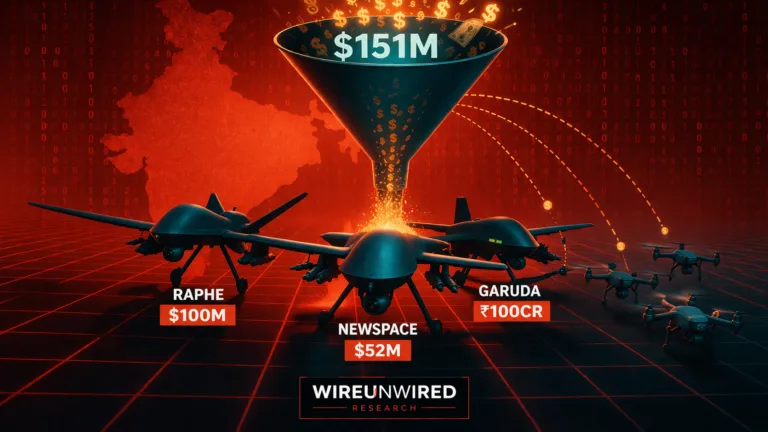
$151M raised by Indian drone startups, but Raphe ($100M), NewSpace ($52M), Garuda (₹100cr) captured majority. Defense dominates funding while civil apps struggle.
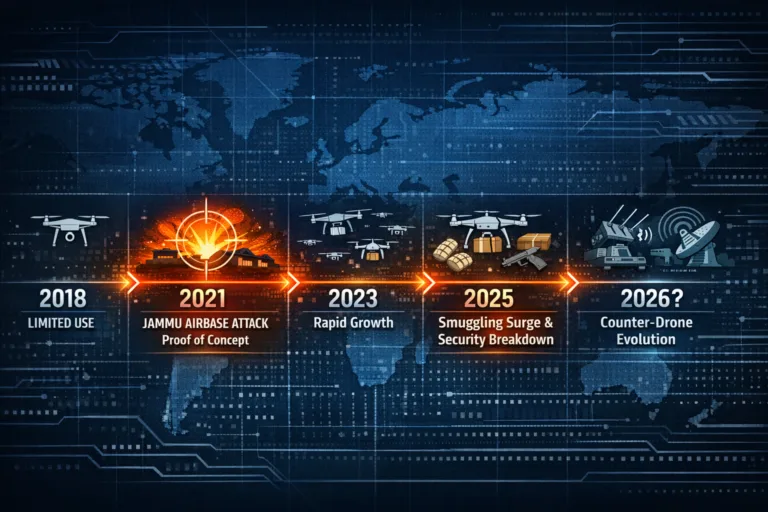
"BSF seized 272 drones, 367kg heroin along Punjab border in 2025. Jammu attack showed military vulnerability. Counter-drone authorization gaps remain.
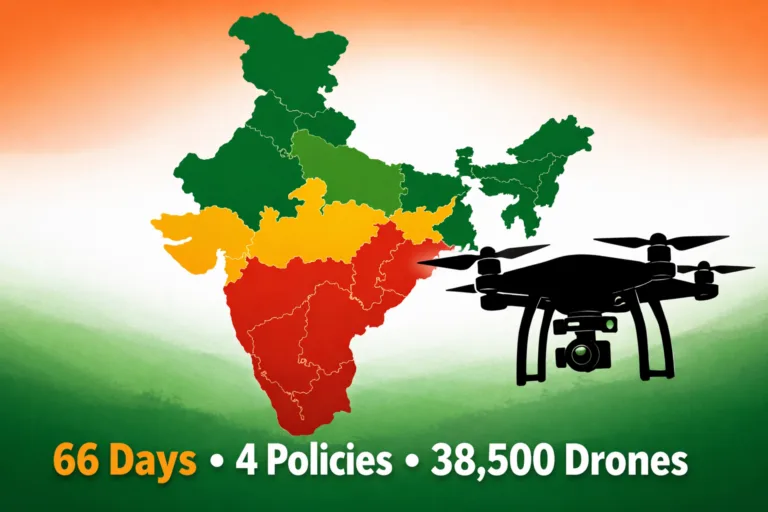
India built a functional drone industry in five years through a regulatory strategy that’s rare in government. From ripping up the permission-heavy regime, replacing it with a digital platform, zone the entire country’s airspace in three colors, ban foreign competition,…

SpaceX’s upcoming Falcon 9 launch of 36 SDA Tranche 2 Tracking Layer satellites is not just another mission—it is a bulk upload of hypersonic-tracking hardware into MEO that rewires the economics of missile warning. This single flight accelerates the Pentagon’s pivot from a few GEO behemoths to a proliferated, upgradeable sensor mesh built on commercial launch cadence.

DeStarlink Genesis-1 has launched into orbit, pioneering solar-powered AI data centers cooled by space vacuum. This Singapore-Toronto collab escapes Earth's energy limits, blending AI inference, blockchain, and mesh networking for the future of cloud computing.
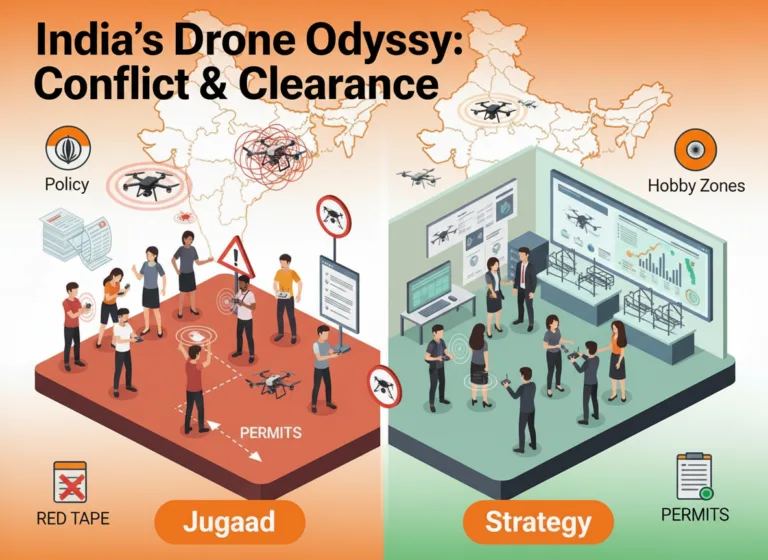
India’s drone dream is squeezed between bold “Make in India” ambitions and messy reality—import bans, fragile local hardware, harsh DGCA rules and patchy enforcement that leave pilots, hobbyists and startups navigating grey zones instead of clear skies.

The Pentagon has released its first detailed zero trust blueprint for operational technology and industrial control systems, extending a once-IT-centric strategy into the physical backbone of U.S. military operations. The new guidance defines 105 specific activities across seven security pillars, targeting base utilities, industrial control systems, and mission-adjacent infrastructure without imposing a fixed deadline, but with clear expectations that OT will now be treated as a frontline cyber-physical battleground.

Airbus forecasts a historic 19,560 new aircraft deliveries in Asia-Pacific over the next 20 years, driven by strong passenger growth and major demand from India and China.

Senators are nearing a pivotal deal to end the 40-day U.S. government shutdown, with SNAP benefits and air travel disruptions threatening millions if a resolution isn’t reached soon.

Kuehne+Nagel announced its intention to acquire Eastway Global Forwarding Ltd., an Irish aerospace logistics provider, to strengthen its global air logistics network. The acquisition will enhance Kuehne+Nagel's capabilities in time-critical aircraft services, engine logistics, and aviation leasing support.
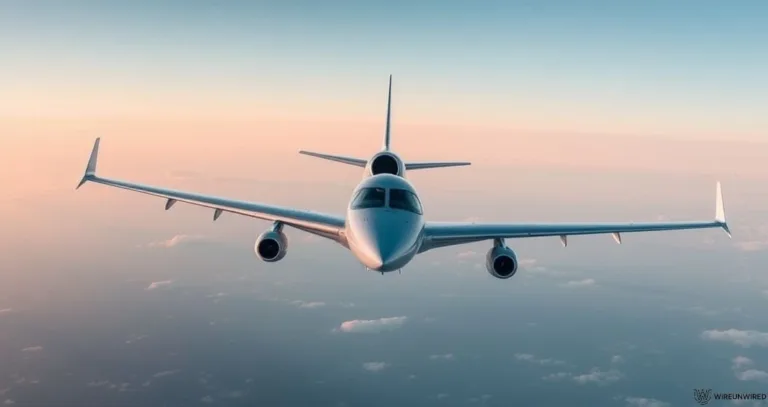
Russia successfully test-flew its second MC-21 passenger jet built entirely with domestic components on October 28, 2025, marking a major milestone in the country's pursuit of aviation self-sufficiency amid Western sanctions.
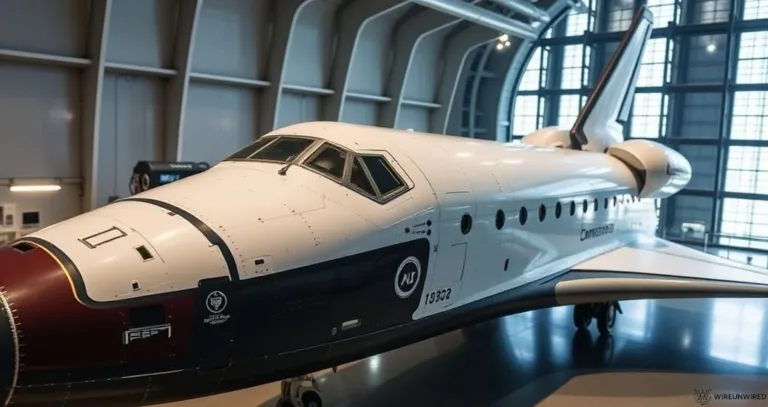
The Smithsonian faces legal and technical challenges as federal lawmakers push to relocate space shuttle Discovery to Houston, risking irreversible damage and exceeding budget estimates. Experts warn that disassembly could destroy the shuttle’s historic integrity and set a precedent for how America’s tech heritage is preserved.

NASA’s SEAQUE experiment, launched aboard SpaceX’s 31st ISS resupply mission, is pioneering quantum communication in space through entanglement—aiming to establish new benchmarks for secure, space-based data transmission and quantum networking.

The U.S. Space Force is accelerating its Maritime and Aviation Receiver Card program to enhance navigation and communication capabilities. This initiative focuses on advanced receiver technology, aiming to modernize aerospace infrastructure.
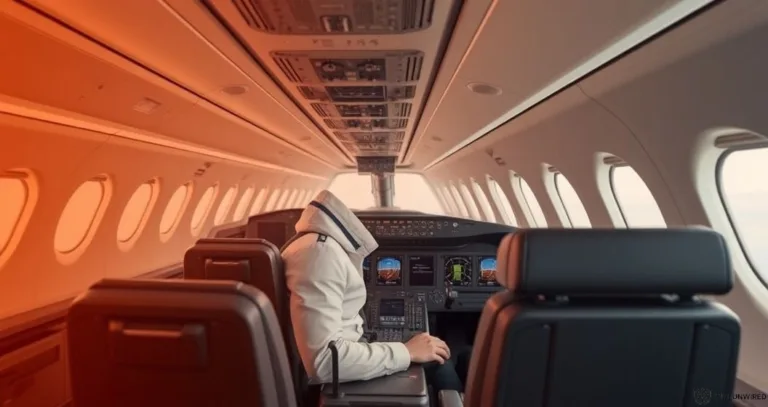
Acron Aviation and Airbus have partnered to launch a certified 25-hour cockpit voice recorder upgrade, enabling airlines to meet new safety regulations with minimal downtime and future-proof technology.
Airbus consolidates its tactical drone programs under Airbus Helicopters, creating a unified UAS family and a new center of excellence in France, strengthening Europe's defense autonomy.